After knee surgery
These instructions are for knee surgery. Some patients go home in a locking knee brace, and some do not need one. Most instructions are the same for both, and the brace section explains the differences. Always follow any specific instructions Dr. Jiang gives you for your procedure. Questions? Call (866) 670-6824.
The first days at home
Elevation
With your knee straight, raise your knee and ankle above the level of your heart. The best position is lying down with a pillow under your ankle. Do this for the first several days after surgery.
Ice and swelling
A large bag of ice or a cooling device such as the Össur Cold Rush helps control swelling and pain. It can be used continuously for the first 3 days while the original dressing is on.
Once the dressing is removed, place a thin towel between your skin and the cooling pad, and use it for 20 minutes at a time, 3 to 4 times a day.
Medication, blood clots, and eating
Pain medication
Pain medication is prescribed for surgical patients only. Your prescriptions will be sent to the hospital pharmacy, so you can pick them up right after surgery.
Take the prescribed ibuprofen every 8 hours for the first 5 days after surgery consistently. Only if necessary, take oxycodone/acetaminophen every 4 to 6 hours for breakthrough pain.
Do not drink alcohol or drive while taking narcotic pain medication.
Preventing blood clots
Moving around helps prevent blood clots. Walk with your crutches several times a day if you can.
If aspirin is prescribed, take it for 1 month after surgery.
Constipation
Narcotic pain medication often causes constipation. You may take Colace (docusate) as directed on the bottle. It is a stool softener, not a laxative.
If constipation lasts 3 days, take an over-the-counter laxative such as Milk of Magnesia, Dulcolax (bisacodyl), or Miralax. If it continues, contact your primary care physician.
Eating
For your first few meals, eat light, easily digestible foods and drink plenty of fluids. Some people have temporary nausea after anesthesia.
Brace and weight-bearing
If you have a locking brace
Wear the brace for 6 weeks after surgery. Keep it locked straight at all times until instructed otherwise.
When your range of motion allows, you may unlock the brace while sitting, but lock it again before you stand. Sleep with the brace on for 3 weeks, or as Dr. Jiang directs.
Keep the brace locked straight while walking until your leg is strong enough. Dr. Jiang or your physical therapist will decide when you can walk with it unlocked, typically at least 4 weeks after surgery.
You may put all of your weight on your surgical leg while the brace is locked straight, within the limits of pain.
Use two crutches until Dr. Jiang or your physical therapist tells you otherwise.
If you do not need a brace
You may put all of your weight on your surgical leg and walk as comfort allows.
Exercises after knee surgery
These exercises help prevent stiffness and blood clots. Point and flex your foot and wiggle your toes starting the day of surgery. Begin the rest the day after surgery, doing 10 to 15 repetitions, 3 to 4 times a day.
Quad sets
Lie flat or sit with your surgical leg straight. Tighten the muscle in the front of your thigh as much as you can, pushing the back of your knee flat against the bed. Hold for 5 seconds, then relax.
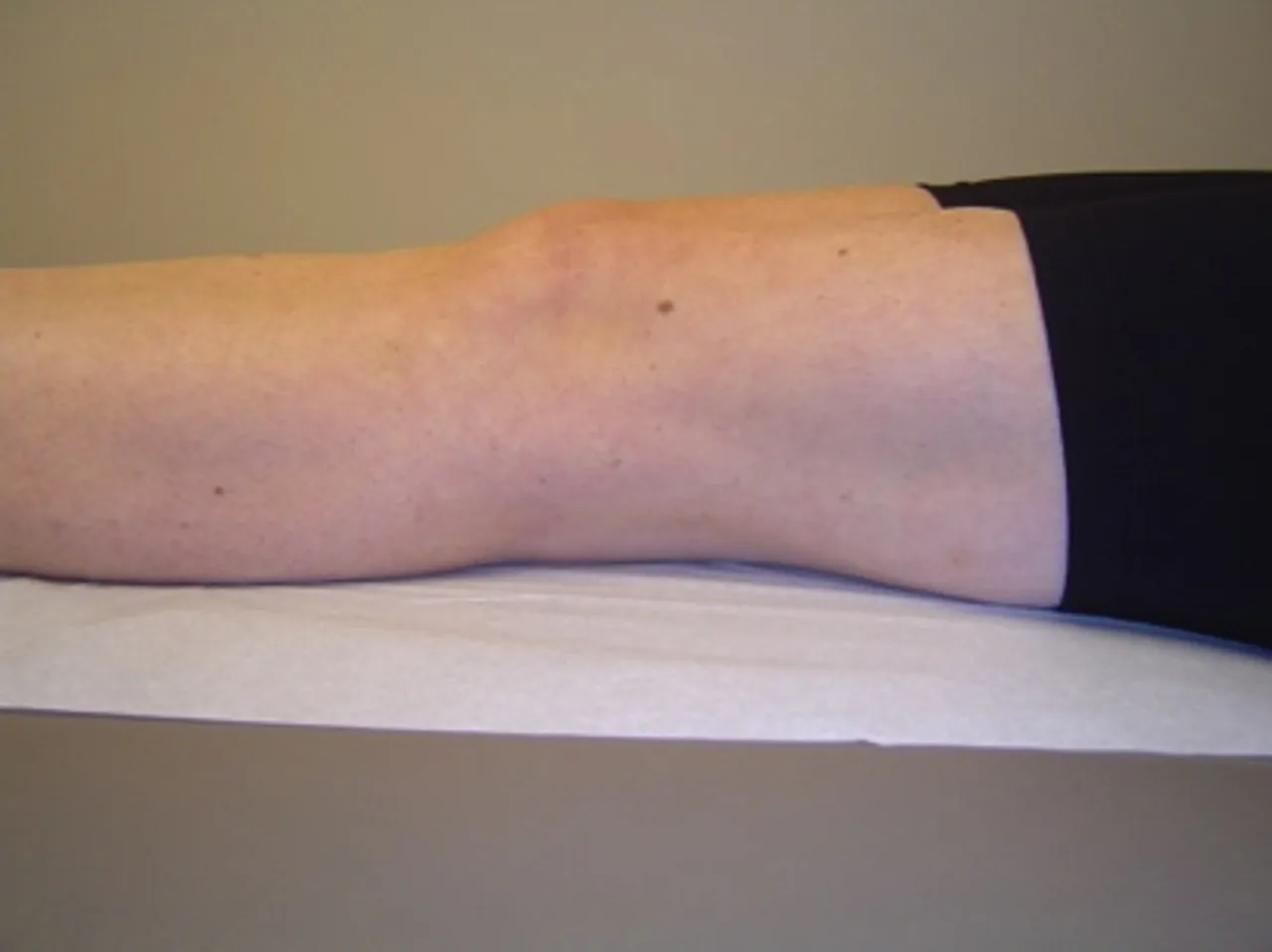
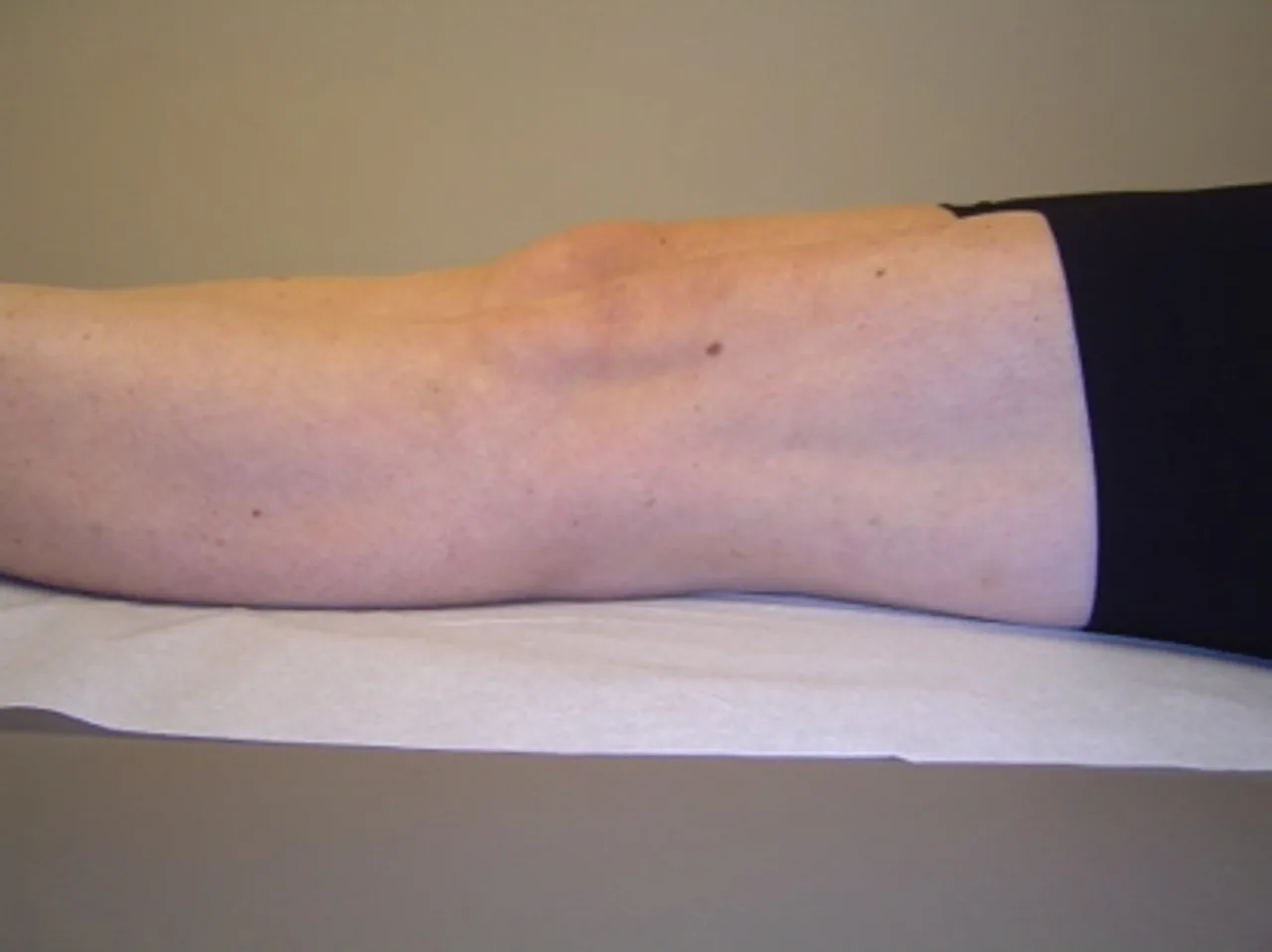
Straight leg raises
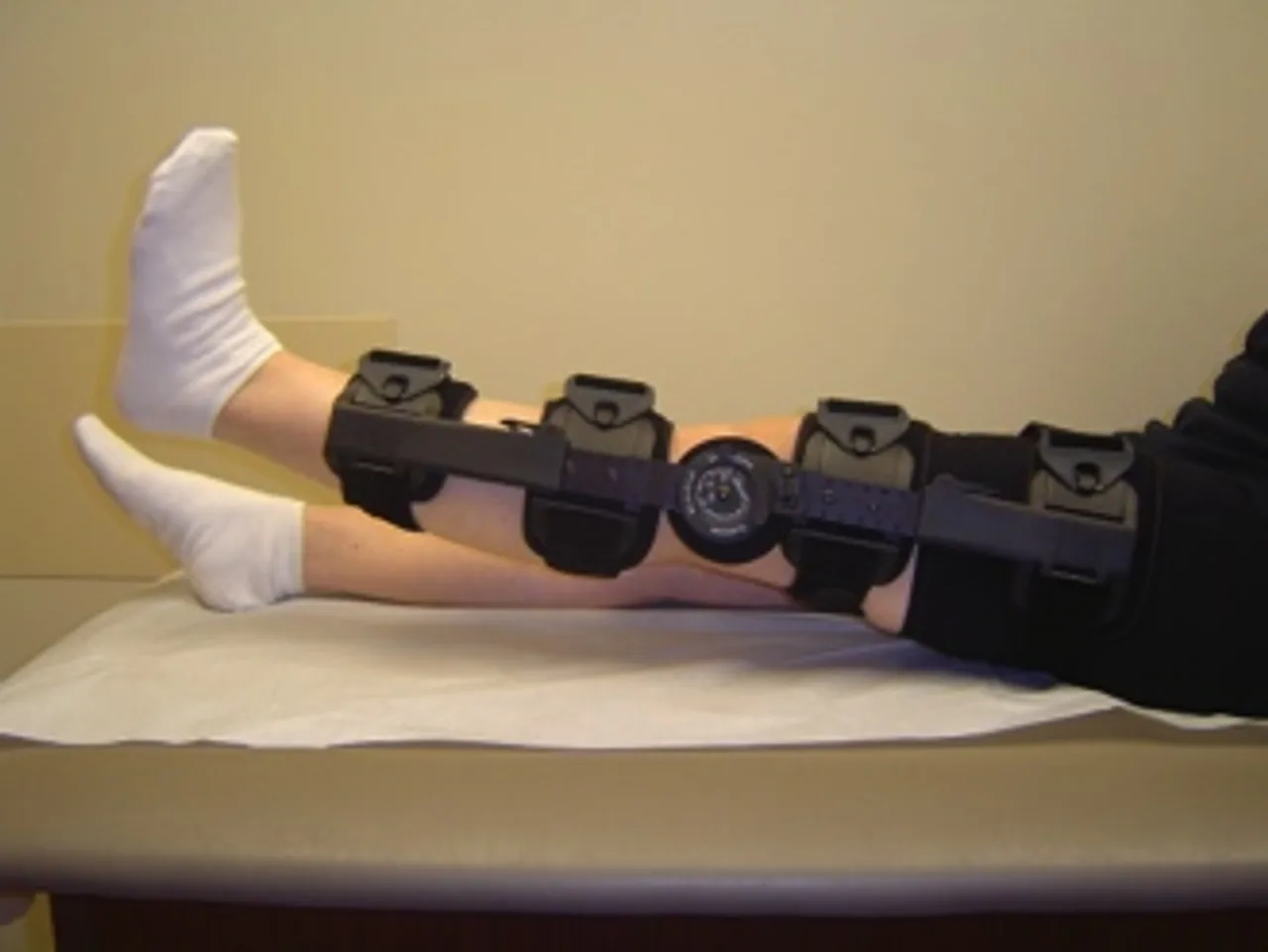
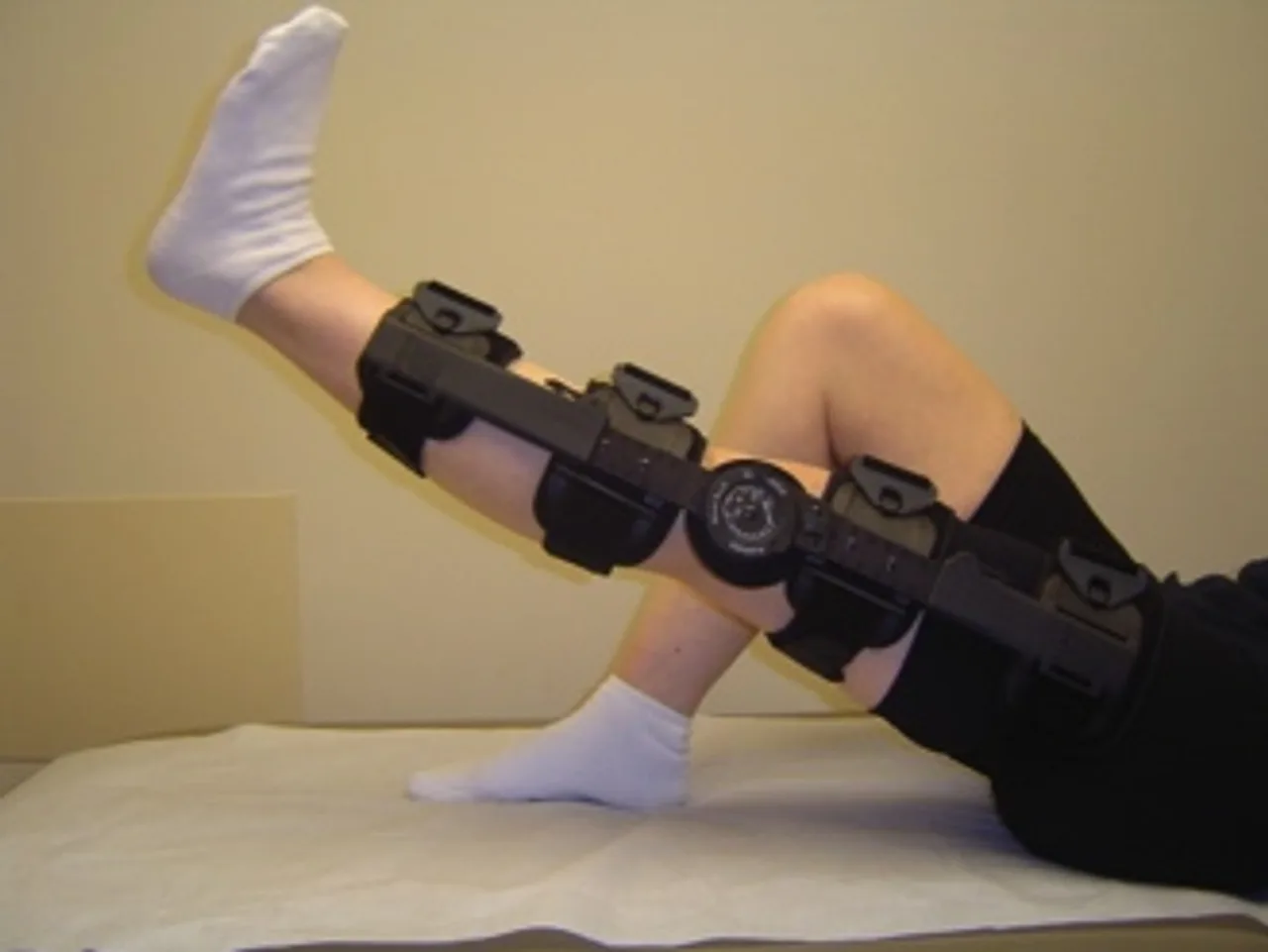
Lie flat or sit with your leg straight, with your knee brace on if you have one. You may bend your other knee slightly for comfort. Do a quad set and pull your toes up. Lift your heel off the bed and hold for at least 5 seconds, keeping your thigh muscle as tight as you can. Lower your heel back down and relax.
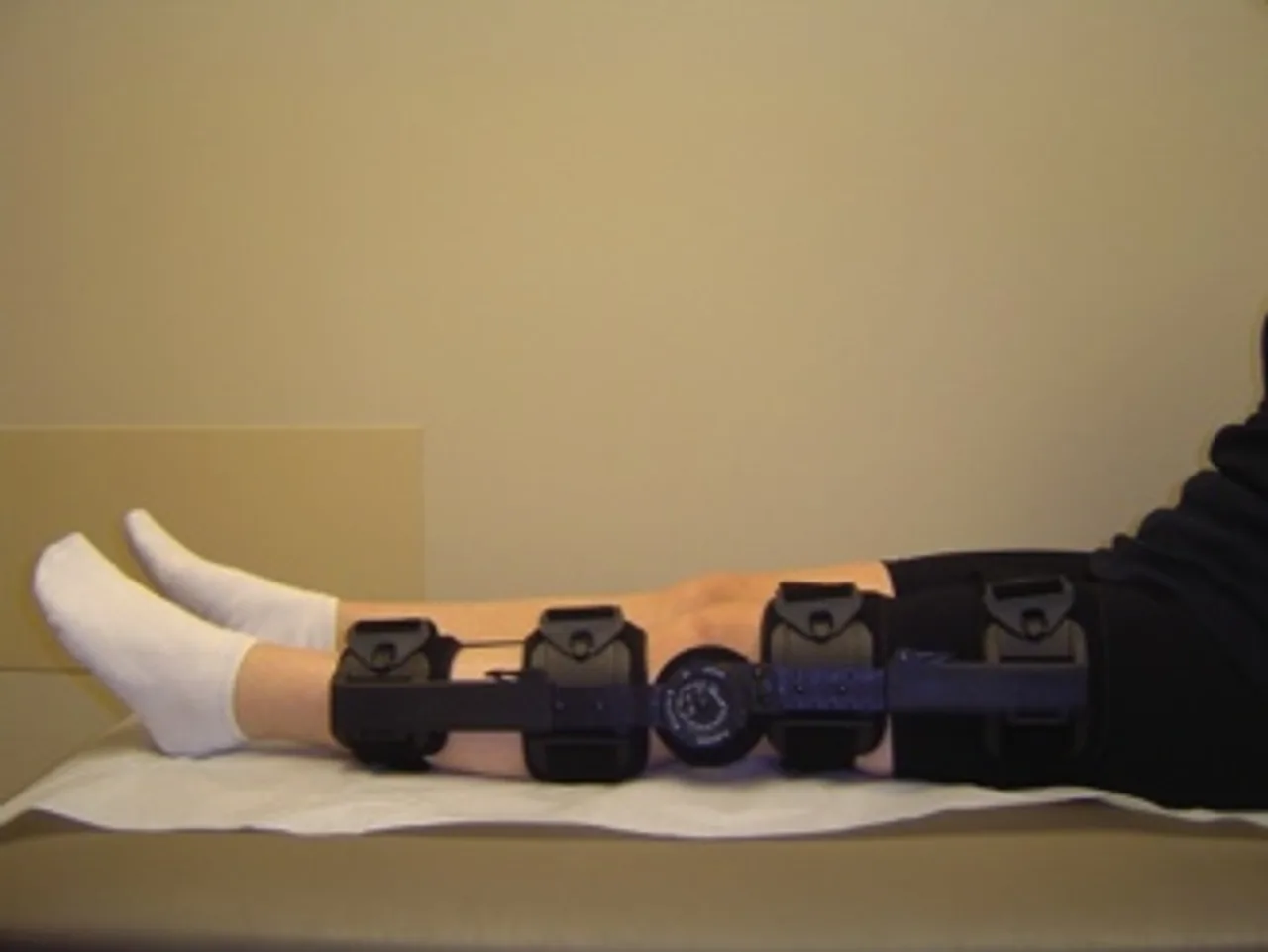
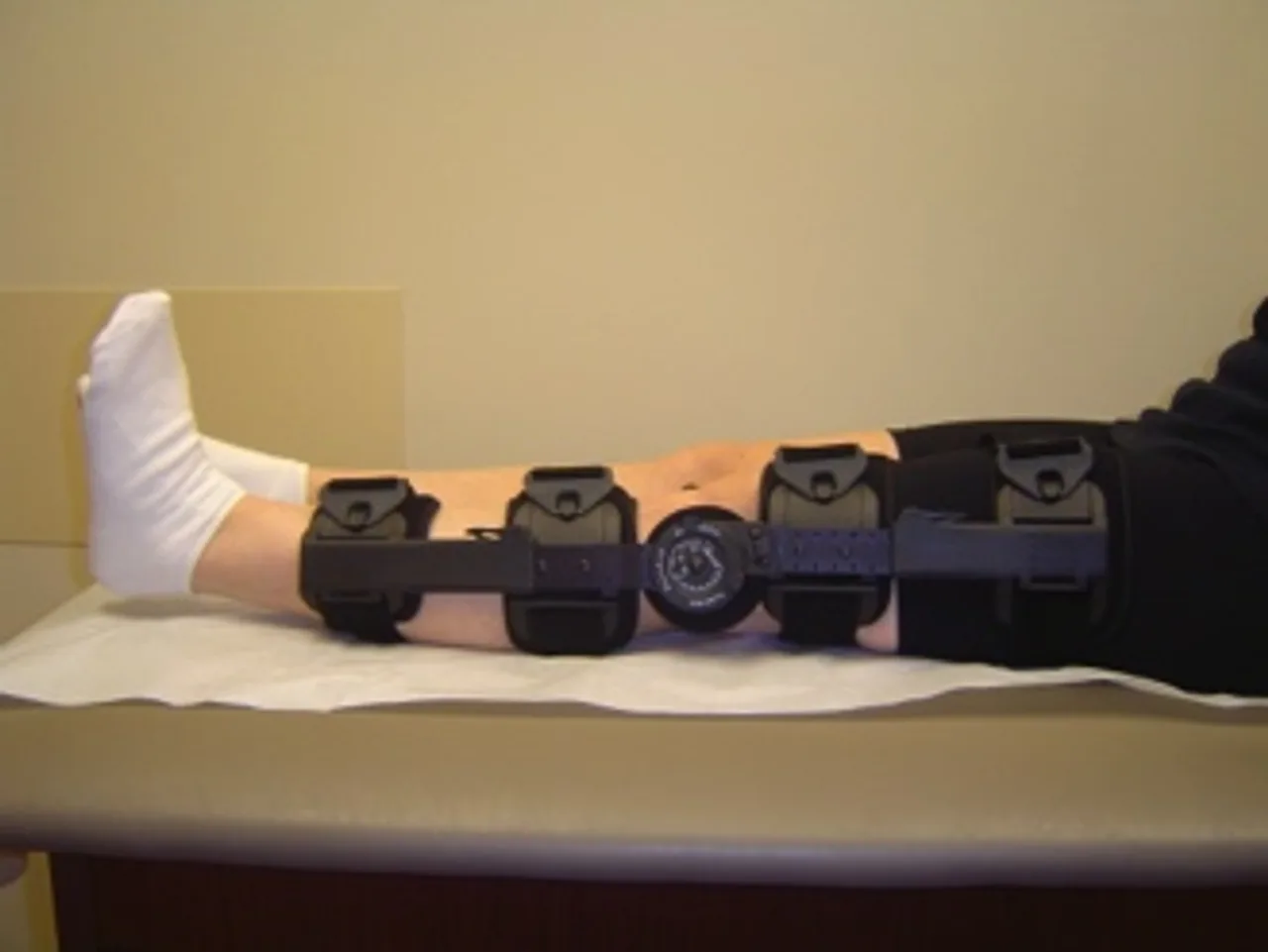
Heel slides
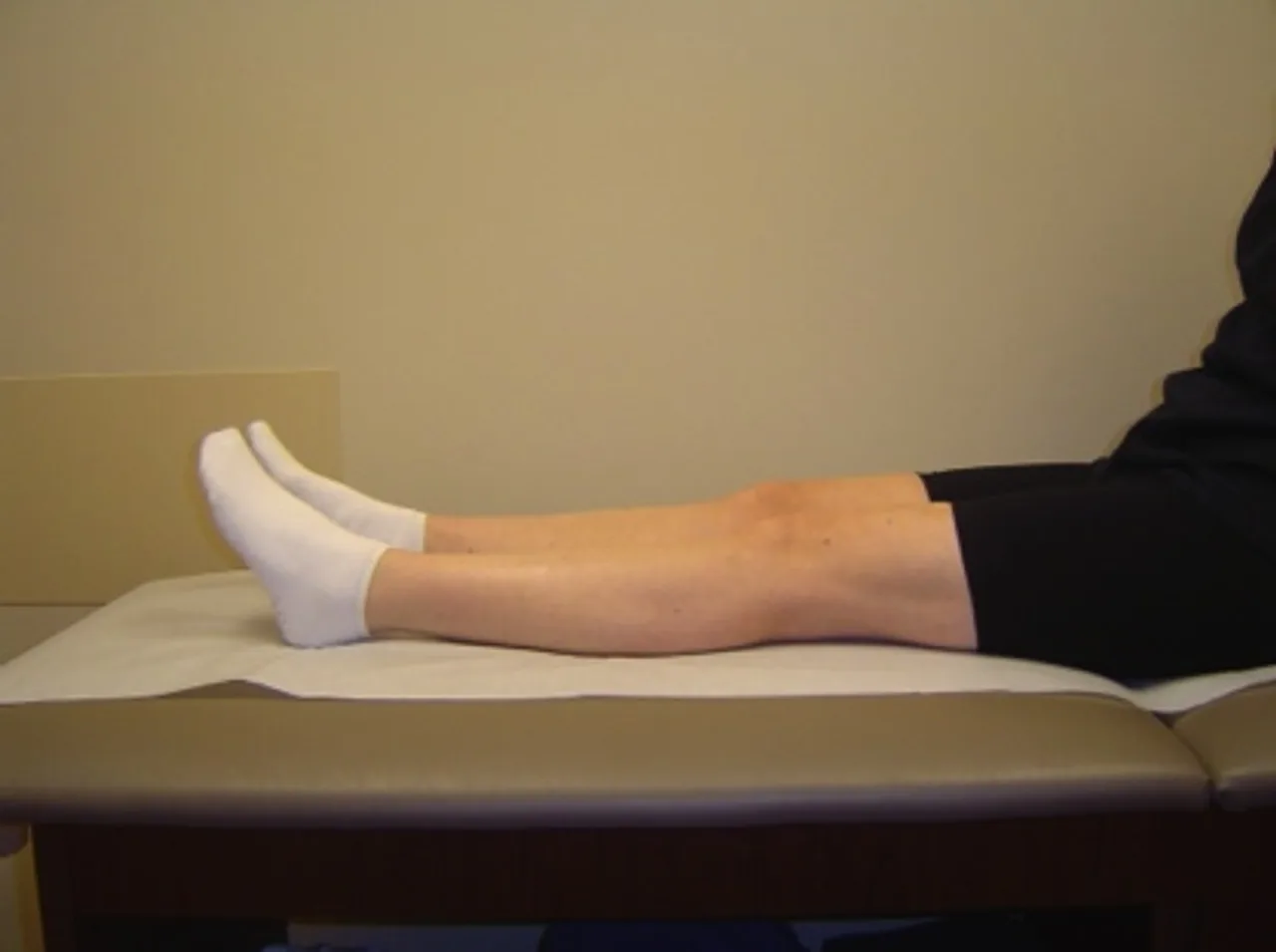
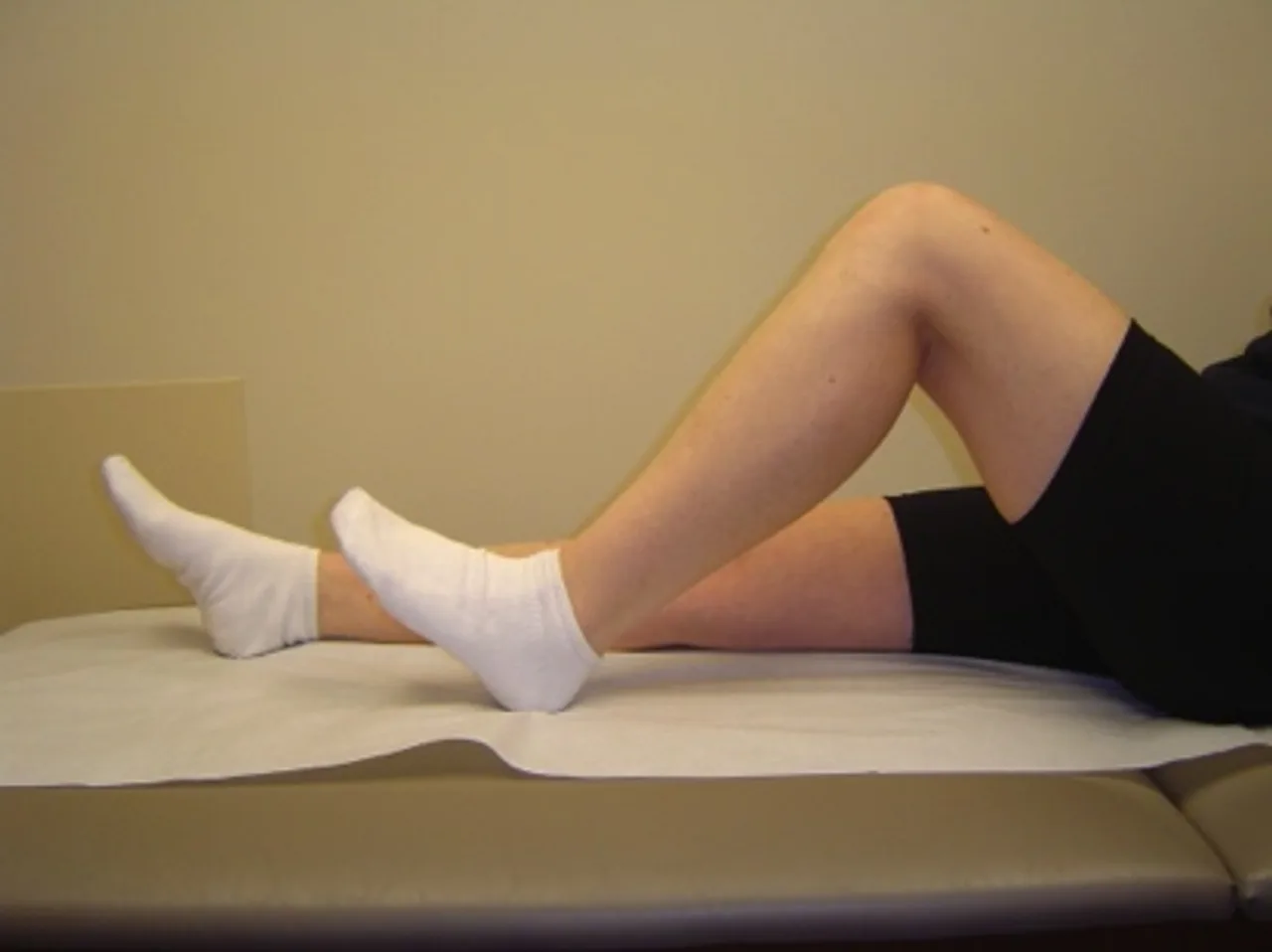
Lie flat or sit with your leg straight. Slide your heel toward your hip, aiming to bend your knee to 90°. Slide your heel back until your leg is straight, then relax.
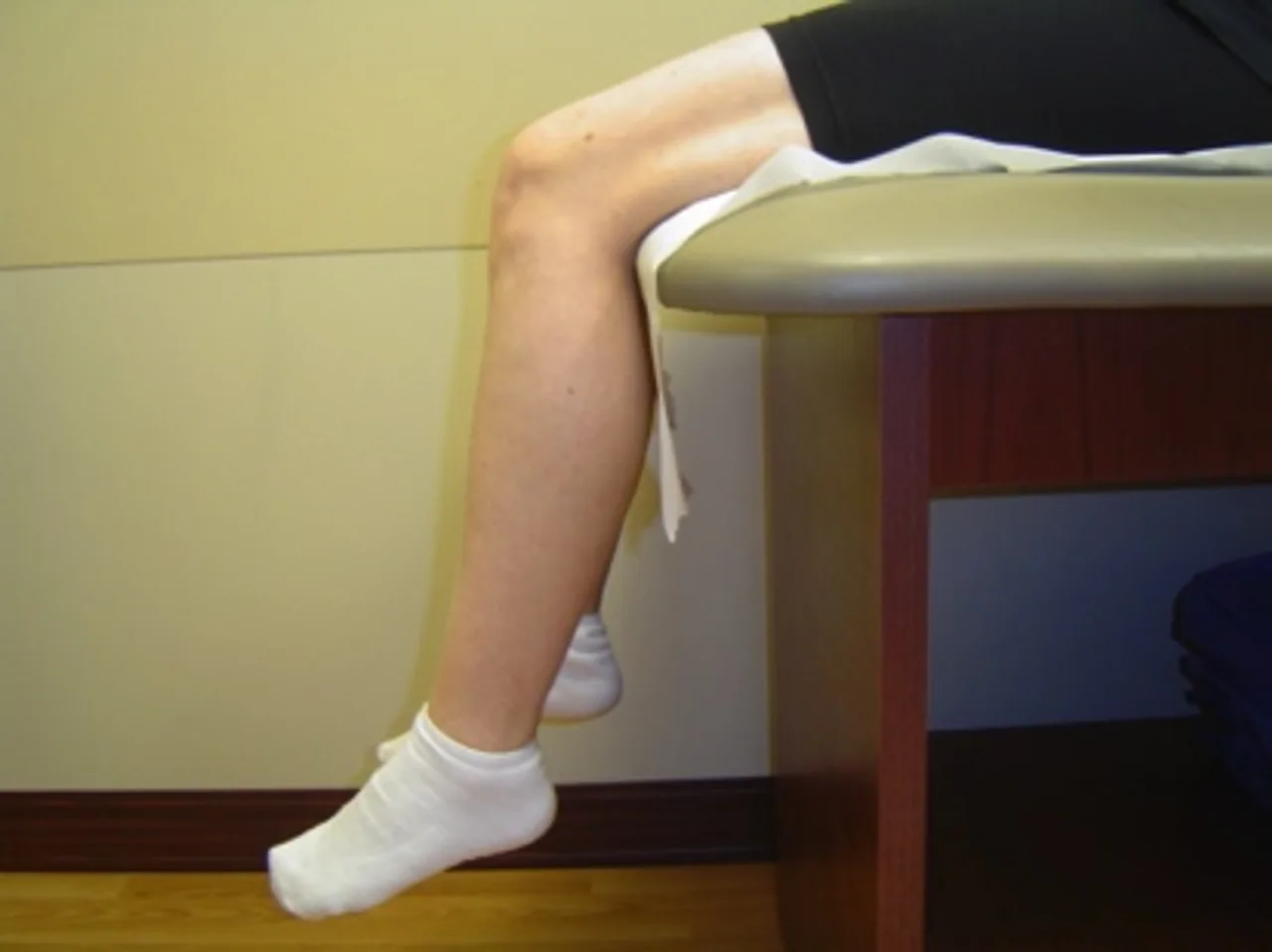
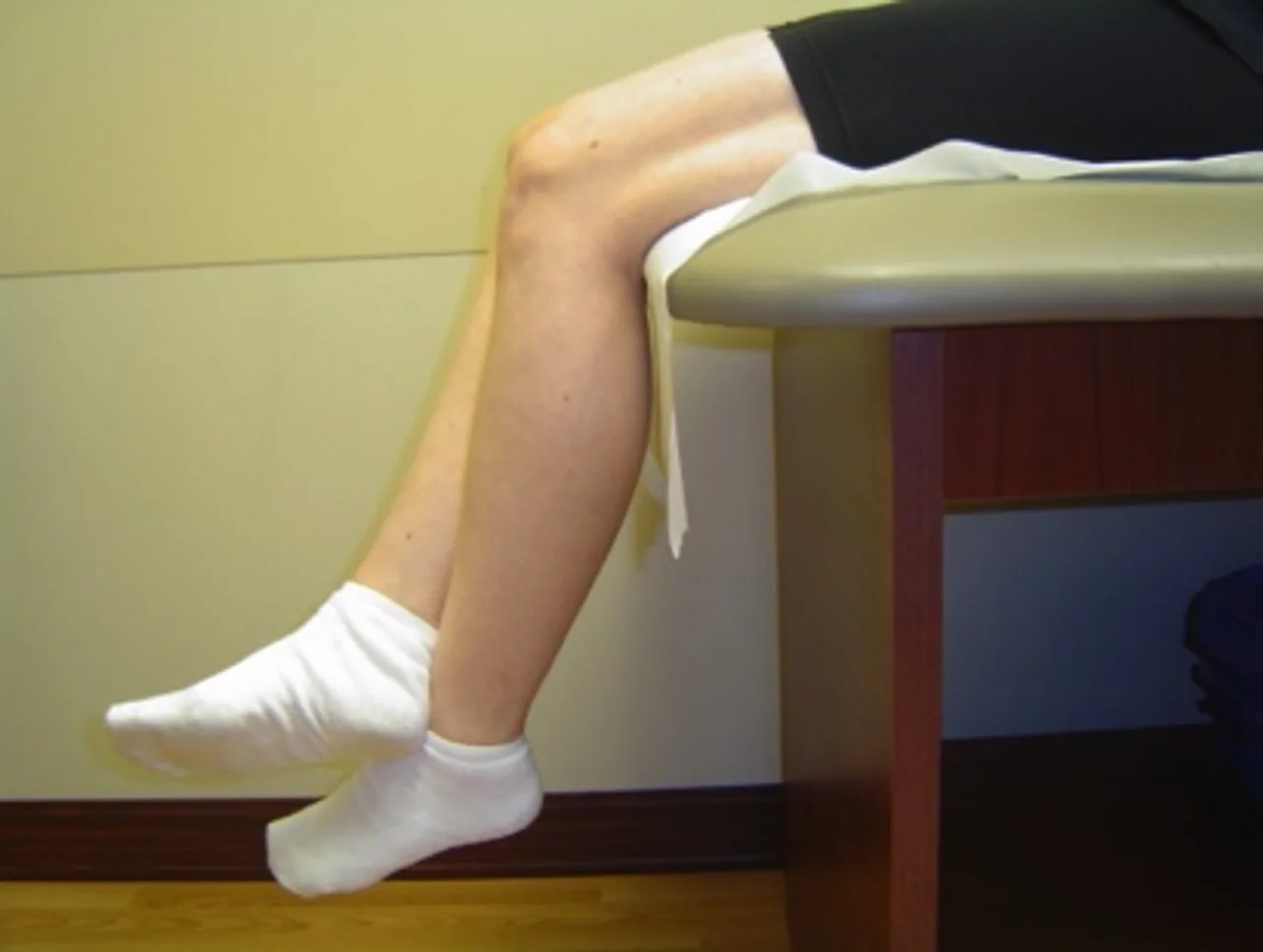
Seated knee bending
Sit with your legs hanging over the edge of the bed and let gravity bend your knee. You may use your other leg to gently push your surgical leg into more of a bend. Hold this position for up to 10 minutes.
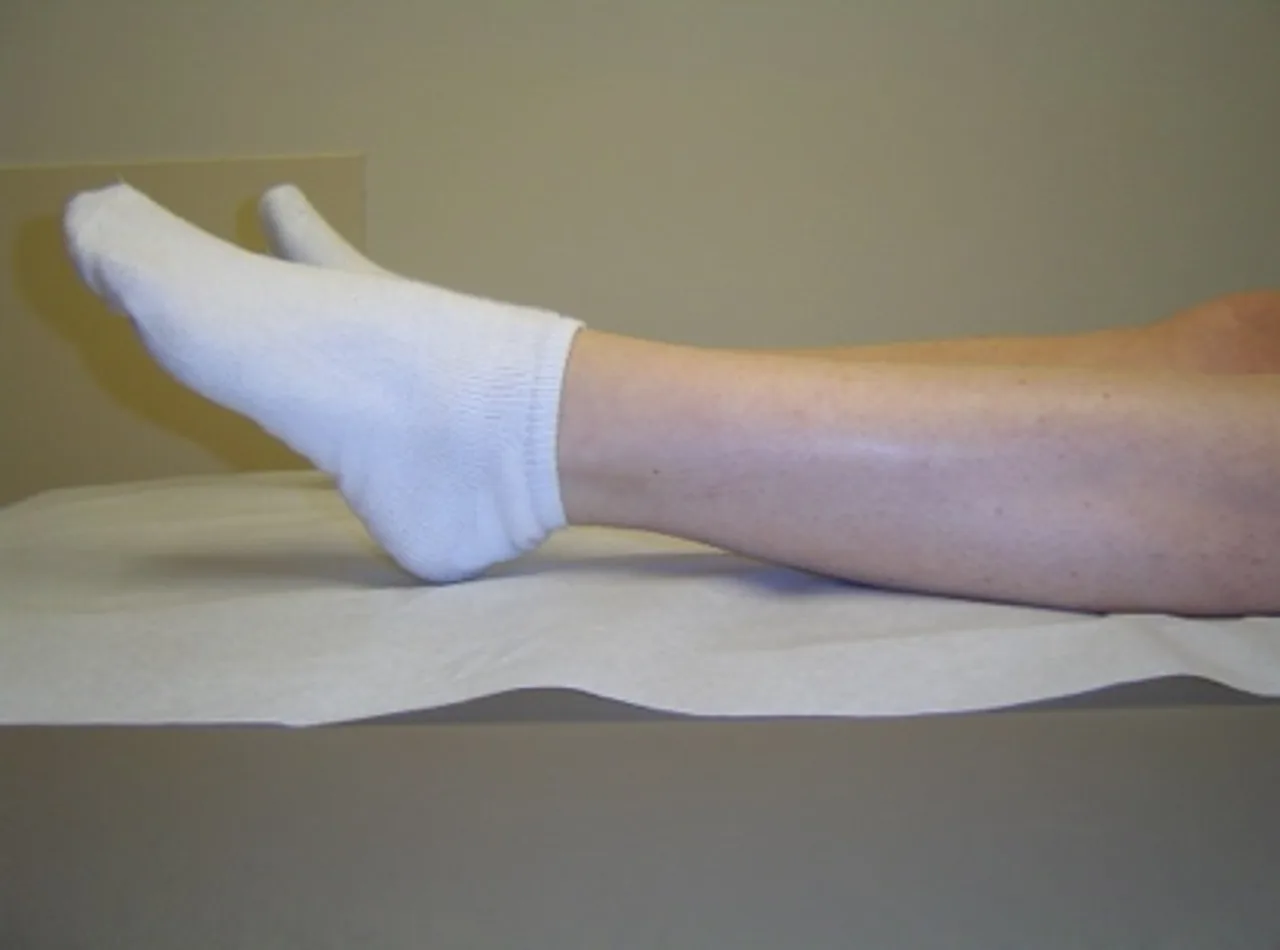
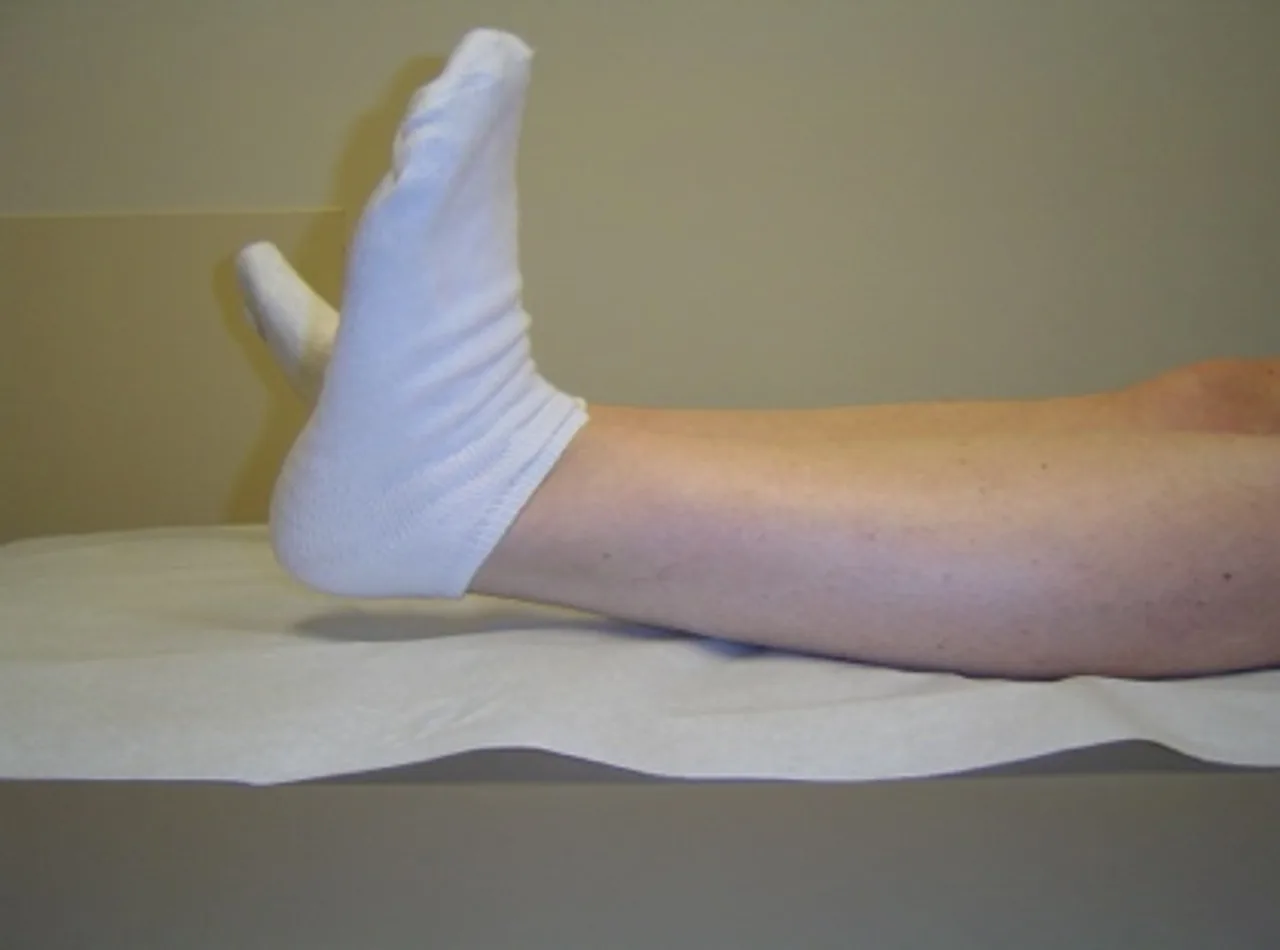
Calf pumps
Point and flex your toes to tighten your calf muscles.
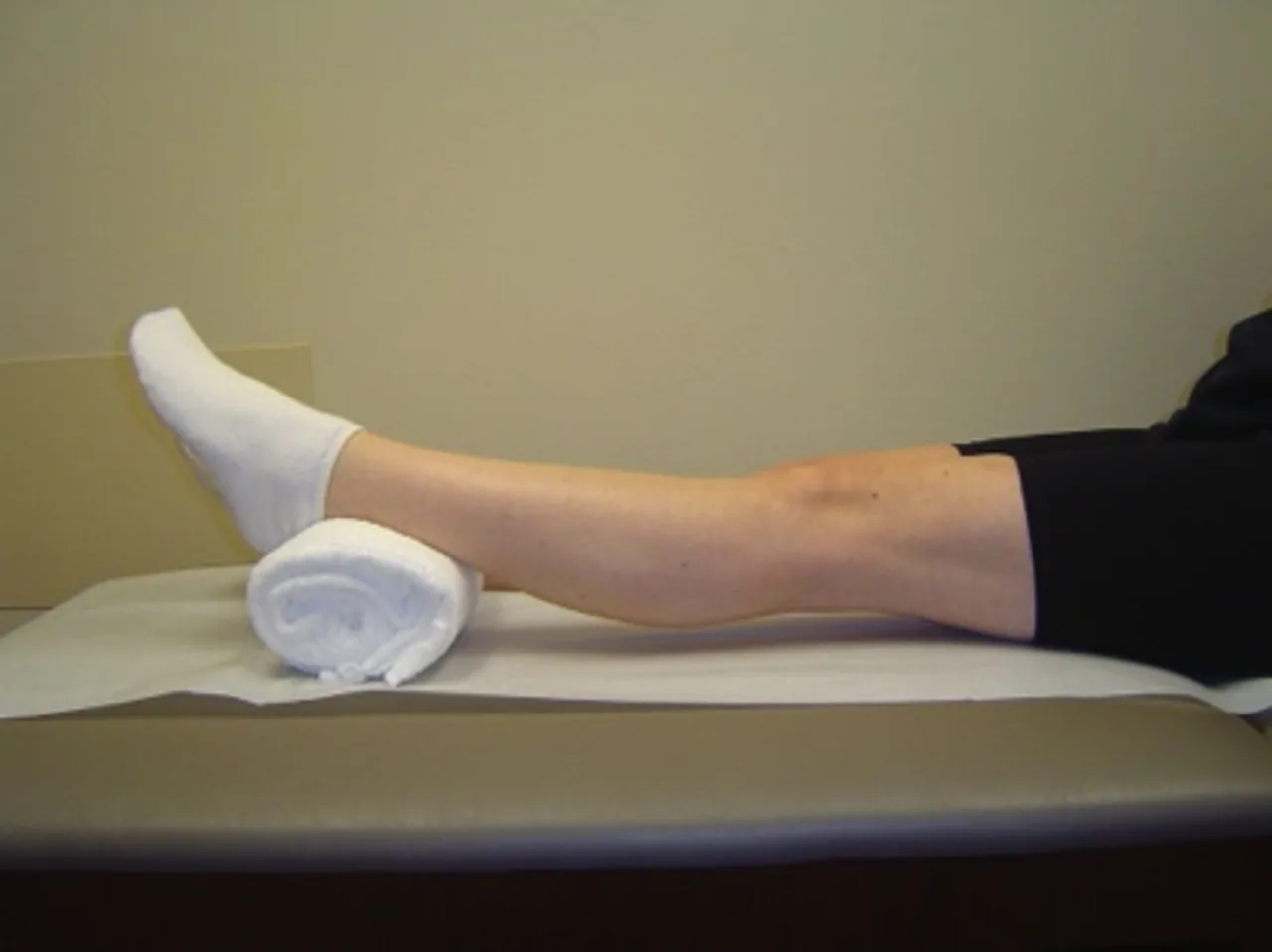
Knee straightening, lying down
Lying down, rest your ankle on a rolled towel so your knee and calf are not touching the bed. Let gravity straighten your knee. Hold this position for up to 10 minutes.
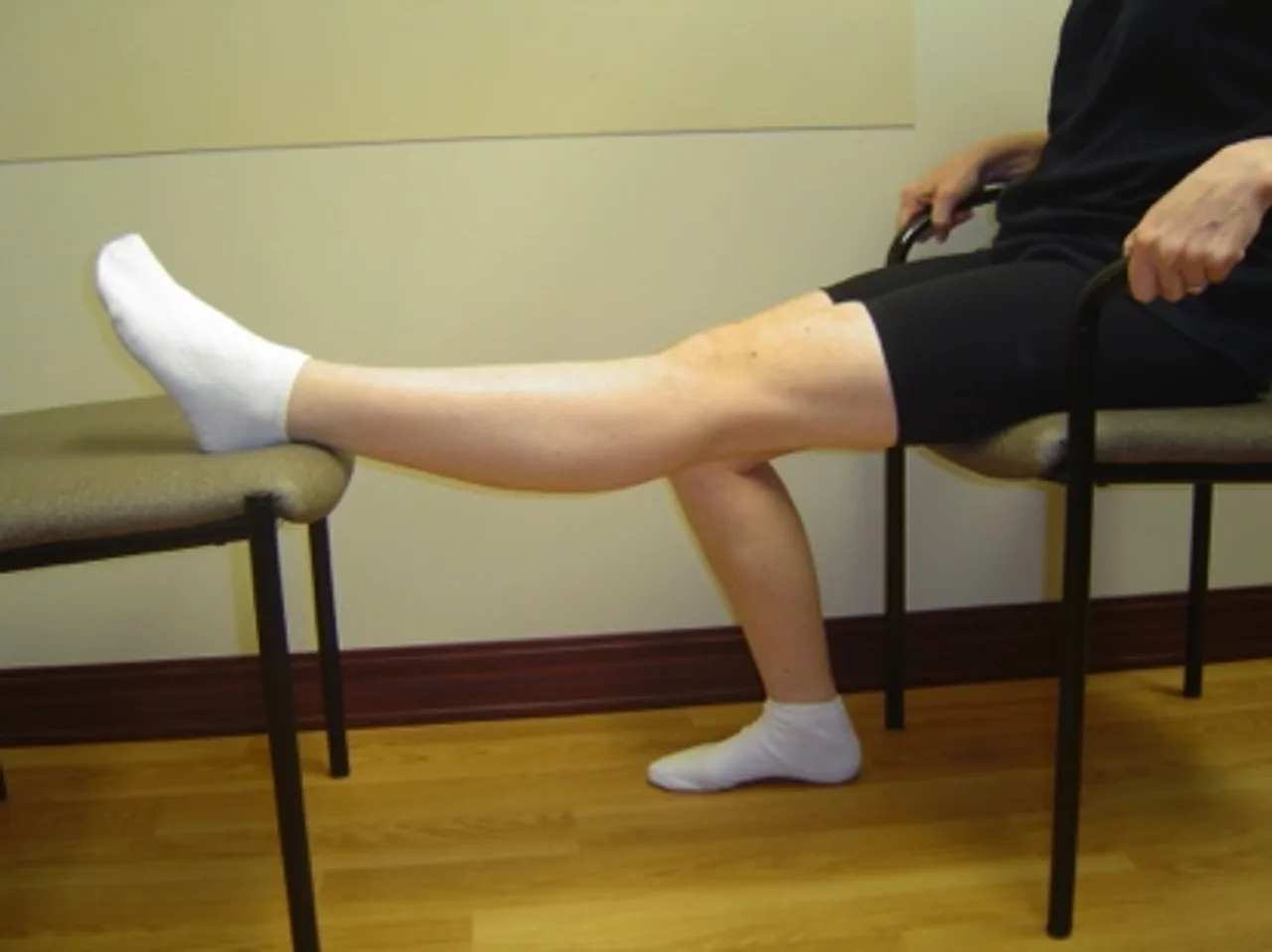
Knee straightening, sitting
Sitting in a chair, prop your heel on another chair so nothing is behind your calf or knee. Let gravity straighten your knee. Hold this position for up to 10 minutes.
Therapy, driving, sports, and work
Physical therapy
In most cases, physical therapy starts right after your first post-op visit. Before surgery, schedule your first therapy appointment with the physical therapist of your choice for the days just after that visit.
You will receive a prescription and specific instructions for your therapist at your first post-op visit. Bring them to your first therapy session. They give your therapist Dr. Jiang’s guidelines for your rehabilitation.
Driving
Do not drive for 6 weeks after surgery, or until Dr. Jiang clears you.
You must be off narcotic pain medication to drive safely.
Sports
Athletic activities such as swimming, cycling, jogging, running, and stop-and-go sports cannot be resumed until Dr. Jiang clears you.
Returning to work
When you can return to work depends on your comfort and how much demand your job puts on your knee. Talk with Dr. Jiang about it at your first post-op visit. Every effort will be made to clear you to return as soon as possible.
Caring for your incisions
- Keep the original ace wrap and dressing clean and dry after surgery.
- Remove the ace wrap and dressing 3 days after surgery.
- Leave the steri-strips (small white tapes over the incision) in place. Carefully remove the waterproof dressing that covers the larger incision and steri-strips.
- Cover the incisions with a similar dressing, a large bandage, or sterile 4×4 gauze, available at most drugstores. Small bandages can be used on the smaller incisions around your knee if they are not covered by the larger dressing.
- Change all dressings daily once the first dressing has been removed.
- You may shower 3 days after surgery. Soap and water can go directly onto the incisions and steri-strips. Afterward, gently pat the area dry and put the ace wrap back on.
- If you have a brace: in the shower, sit on a shower bench or sturdy chair for safety. Do not put weight on your surgical leg while the brace is off: sit down, remove the brace, shower, dry off, and put the brace back on before you stand.
- Do not take baths or soak your knee until all the incisions have completely healed, usually at least 4 weeks after surgery.
Call the office if you have
- Pain in your knee that continues or gets worse in the first few days after surgery.
- A lot of redness, or cloudy or bloody drainage from the incisions. Some clear, red-tinged drainage is normal early on, but report any drainage after 5 days.
- A temperature higher than 101°F.
- Pain, swelling, or redness in your calf.
- Numbness or weakness in your leg or foot.
Call (866) 670-6824. Outside business hours, your call goes to the answering service, and problems that need immediate attention are forwarded to the medical staff. For an emergency, call 911.
Your first post-op visit
Your first post-op visit with Dr. Jiang is scheduled at the same time as your surgery. It is usually 3 to 4 days after surgery, or 10 to 14 days after some procedures.
If you are unsure of the date or need to change it, call (866) 670-6824.