Understand your injury.
Choose a condition to read what is damaged, how it is diagnosed, what to try before surgery, and how long recovery takes. These are the conditions we see most often, not a complete list of everything we treat. If yours is not here, call the office.
ACL tear
A noncontact pivoting injury, usually with a pop and immediate pain and swelling.
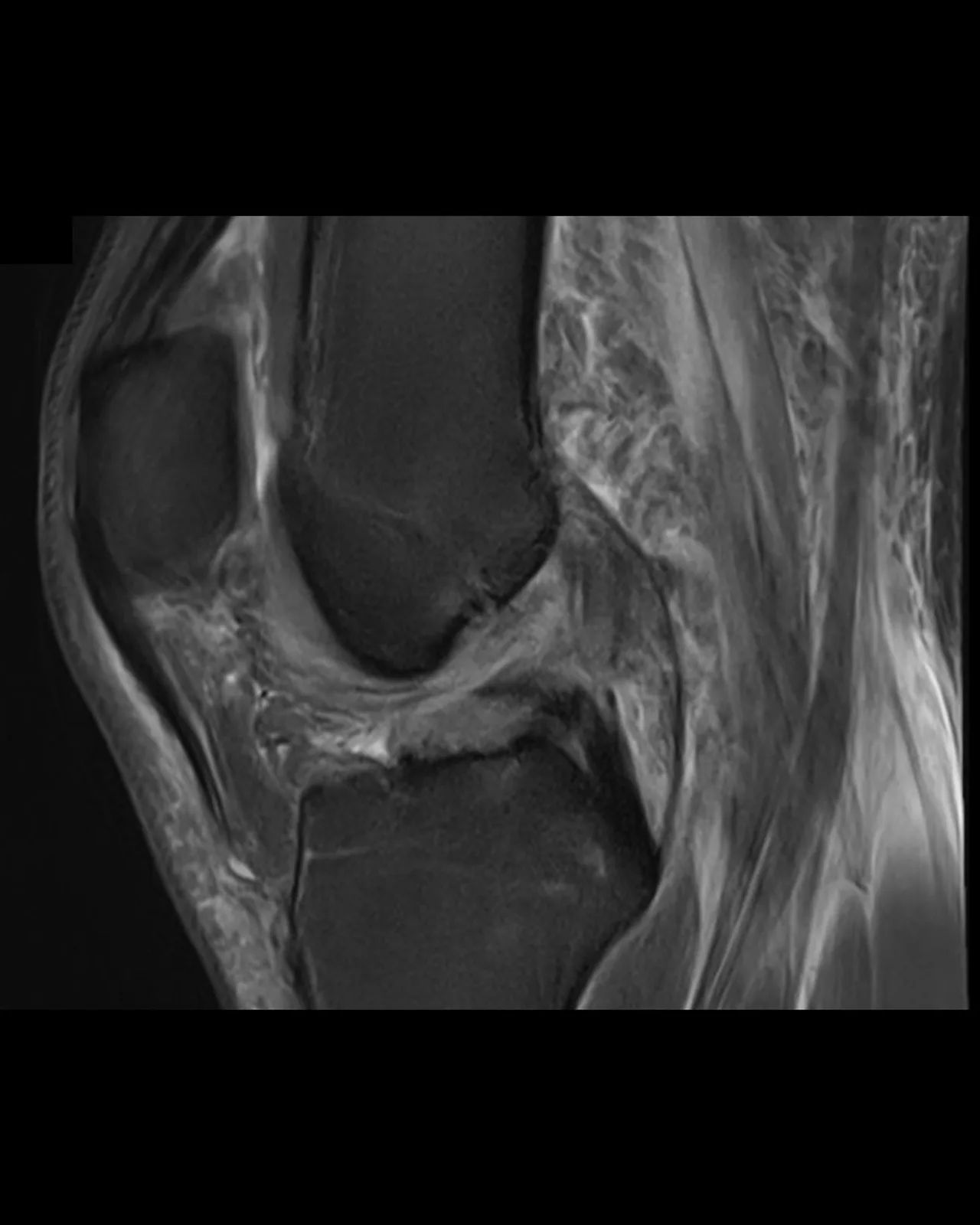
The anterior cruciate ligament runs diagonally through the middle of the knee and stops the shin bone from sliding forward or rotating out from under the thigh bone. It is usually a noncontact pivoting injury: planting the foot and turning, landing from a jump, or stopping suddenly. It is usually associated with a pop and immediate pain and swelling. Afterward, the knee often gives way or shifts with turning and twisting. Walking straight ahead can feel surprisingly normal, which is why ACL tears are sometimes missed for weeks.
A Lachman test in the office is the single most reliable exam finding and can usually make the diagnosis before any imaging. X-rays rule out fracture. MRI confirms the tear and — just as importantly — shows the meniscus and cartilage, because roughly half of ACL tears come with a meniscus injury that changes the surgical plan.
A brace, quad-focused physical therapy, and activity modification can work for a lower-demand patient who does not pivot for work or sport. Regaining full extension and quad strength before any surgery meaningfully improves the outcome. This phase is called prehabilitation, and it is not optional.
Reconstruction is recommended when the knee gives way in daily life, when a repairable meniscus tear is present, and for athletes who intend to return to cutting and pivoting sports. Repeated instability episodes damage meniscus and cartilage, so waiting is rarely recommended.
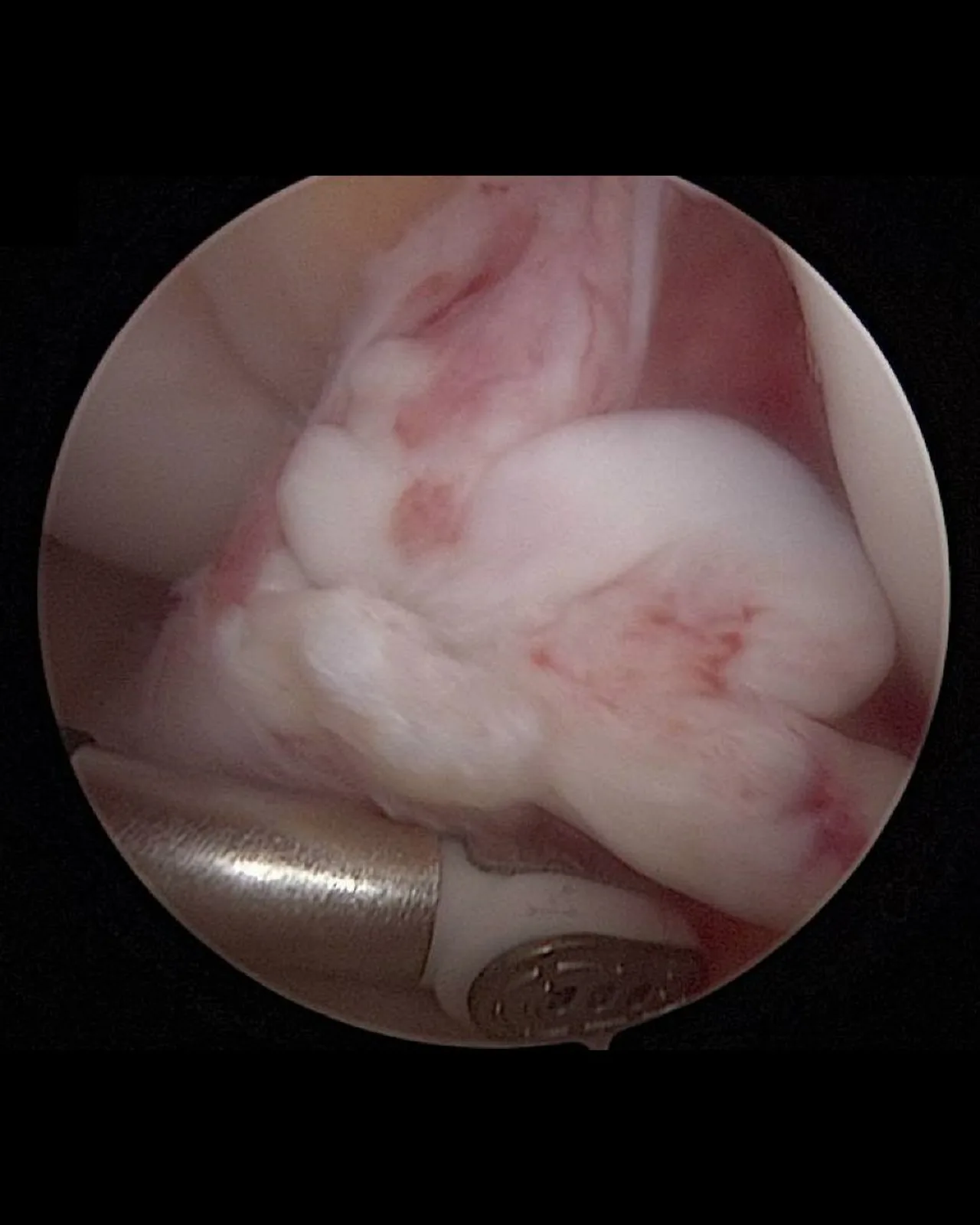
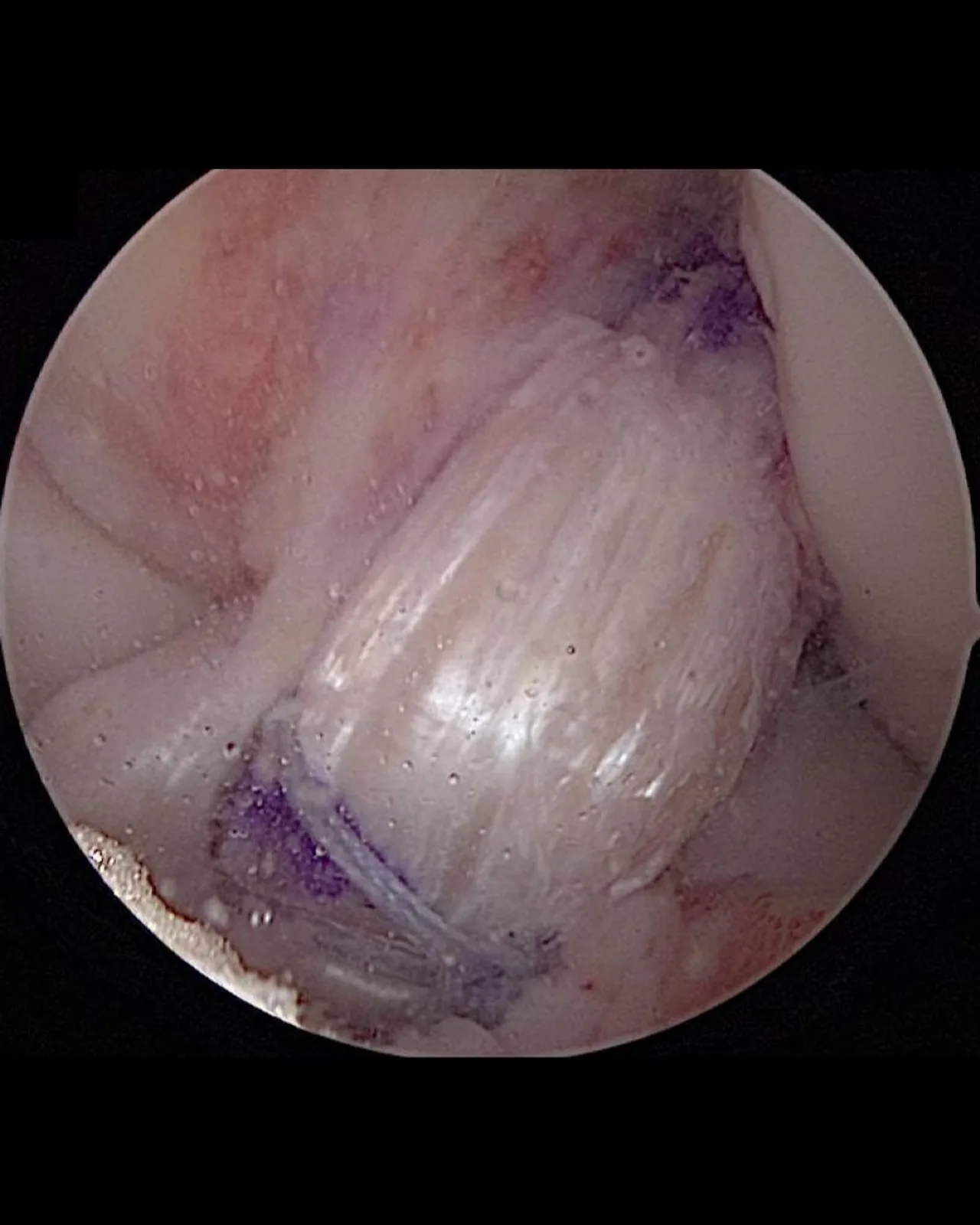
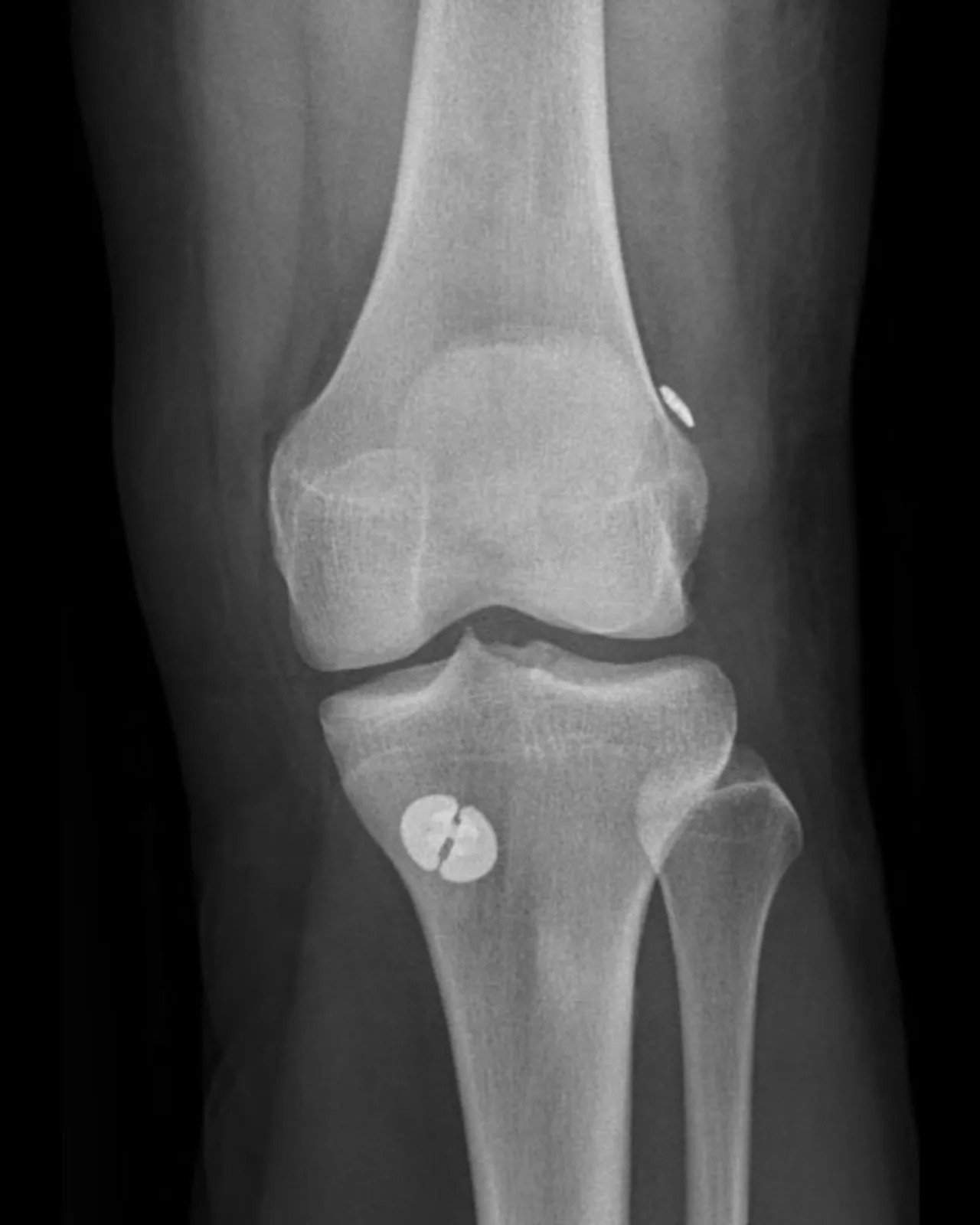
Arthroscopic reconstruction: the torn ligament is replaced with a tendon graft, most commonly the quadriceps tendon, the patellar tendon, or a donor tendon, chosen with the patient based on age, sport, and goals. Meniscus tears are treated in the same surgery, and most patients go home the same day. Repairing the torn ACL itself, rather than replacing it with a graft, is reserved for very specific situations. A lateral extra-articular tenodesis (LET) is added when a hamstring tendon graft is used, and may also be added for patients at higher risk of re-tearing: younger athletes in pivoting sports, those with a very loose knee (a high-grade pivot shift), or a revision ACL.
- Which graft do you recommend for me, and why?
- Is my meniscus repairable?
- What do I have to be able to do before I'm cleared to play?
These pages describe how these injuries are generally evaluated and treated. They are not a diagnosis and not medical advice. Two people with the same MRI finding can need completely different plans — that is what the visit is for.