Understand your injury.
Choose a condition to read what is damaged, how it is diagnosed, what to try before surgery, and how long recovery takes. These are the conditions we see most often, not a complete list of everything we treat. If yours is not here, call the office.
Shoulder dislocation & recurrent instability
The shoulder comes out of socket, or feels like it's about to every time you raise your arm.
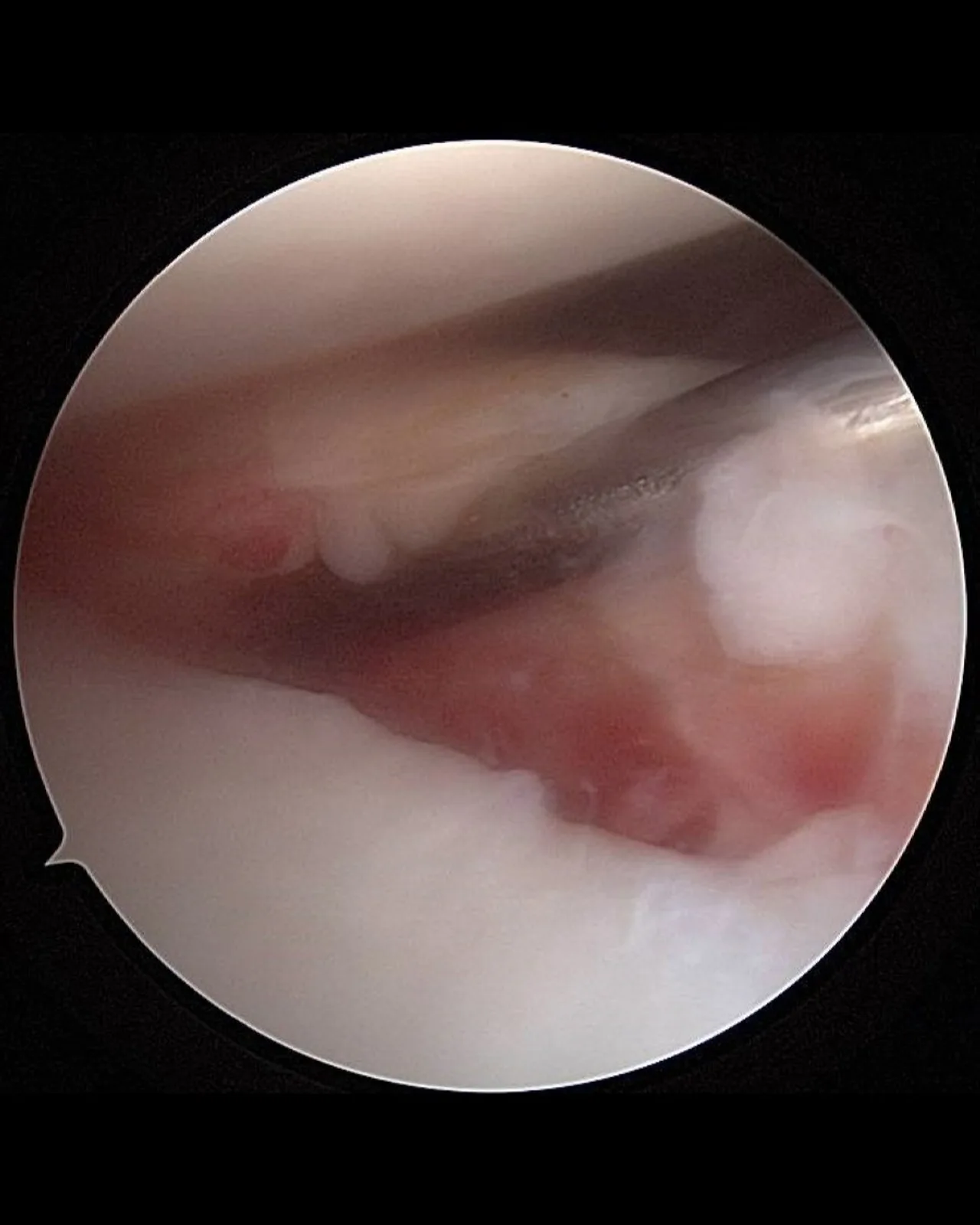
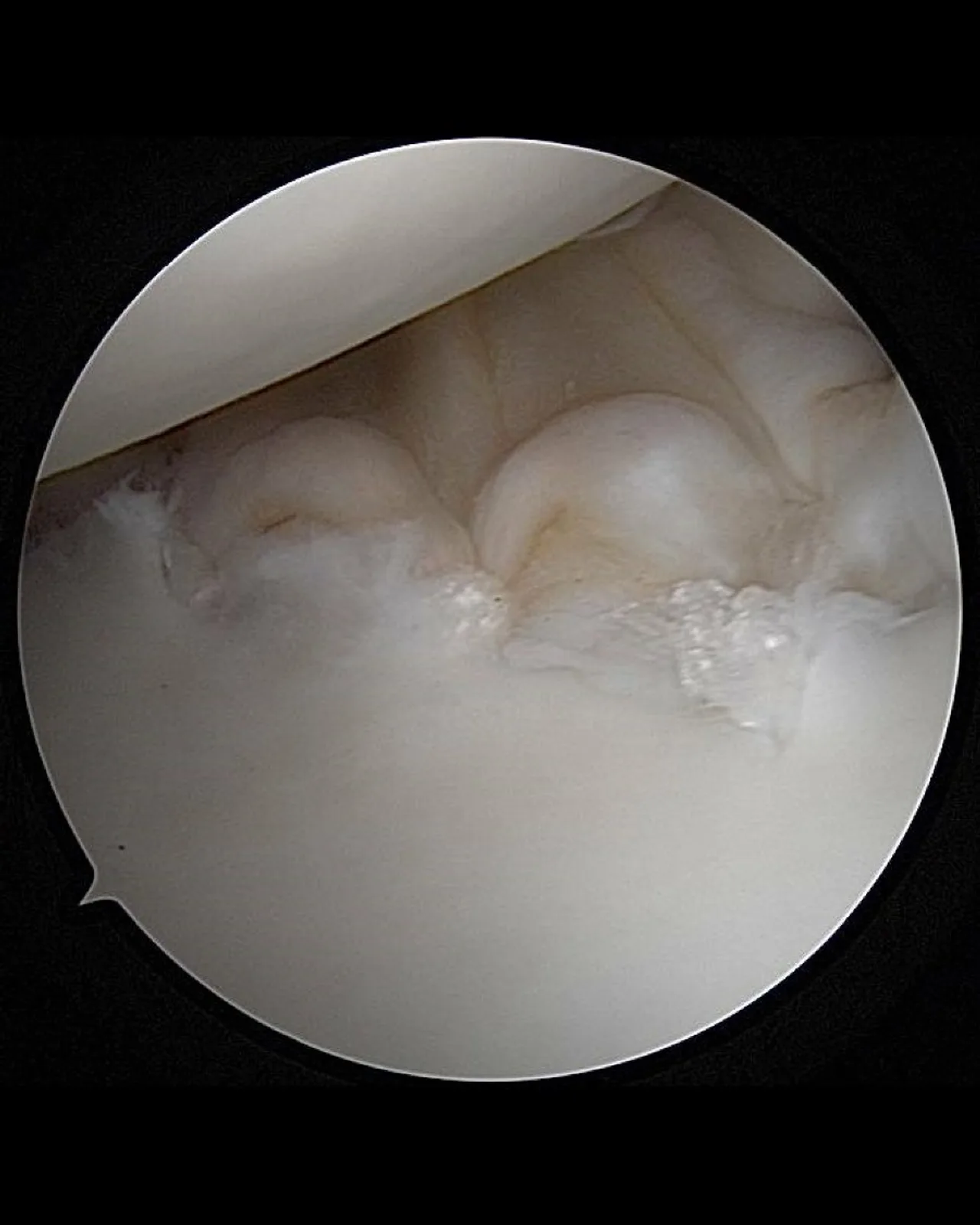
A dislocation drives the ball out of the shallow socket, usually forward, and almost always tears the labrum — the rim of cartilage that deepens the socket. The younger you are at the first dislocation, the higher the chance it happens again: in athletes under twenty, recurrence rates are very high.
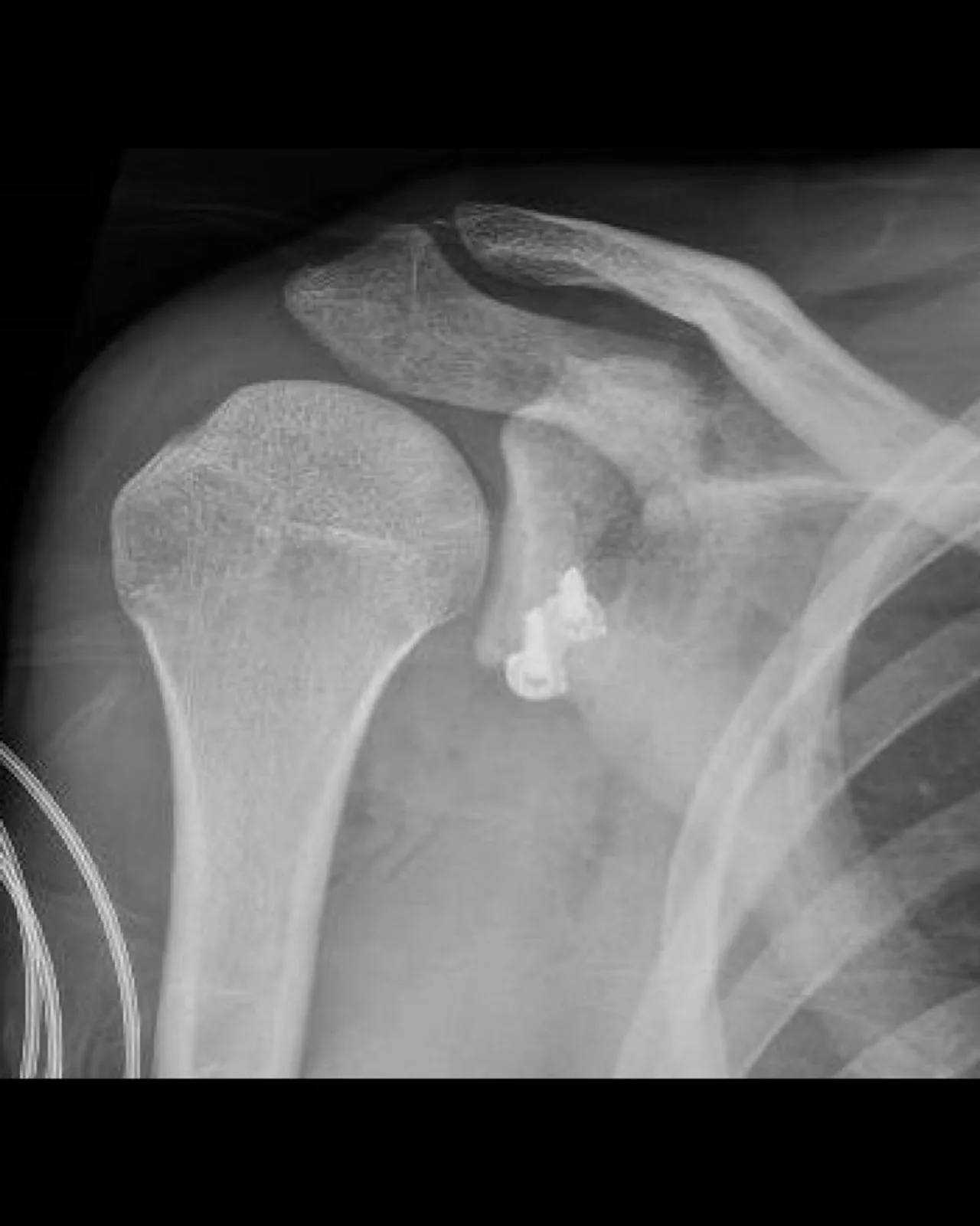
The exam tests apprehension, the fear that the shoulder will dislocate when the arm is raised. X-rays confirm the shoulder is back in place and look for bony injury to either the ball (a Hill-Sachs lesion) or the socket rim (a bony Bankart lesion). MRI and CT evaluate the labrum and any bone injury. The amount of bone loss is what decides which operation is right.
A first-time dislocation in an older or lower-demand patient is often managed with a short period of immobilization followed by a rotator cuff and scapular strengthening program.
Recurrent instability, a first dislocation in a young contact athlete, or significant bone loss all do better with surgical stabilization. Each repeat dislocation damages cartilage, wears away bone, and causes significant pain and loss of function.
Arthroscopic labral repair (Bankart) restores the rim of the socket and tightens the capsule to prevent recurrent dislocations. When there is a significant Hill-Sachs lesion, a remplissage procedure may be added. In cases with significant bone loss, or in contact athletes, an open procedure such as a Latarjet or a distal tibial allograft has lower failure rates.
- How much bone have I lost?
- Am I a candidate for arthroscopic repair, or do I need a bone block?
- What is my honest chance of dislocating again?
These pages describe how these injuries are generally evaluated and treated. They are not a diagnosis and not medical advice. Two people with the same MRI finding can need completely different plans — that is what the visit is for.