Understand your injury.
Choose a condition to read what is damaged, how it is diagnosed, what to try before surgery, and how long recovery takes. These are the conditions we see most often, not a complete list of everything we treat. If yours is not here, call the office.
PCL tear
A blow to the front of the shin or a fall onto a bent knee, often with less pain and swelling than an ACL tear.
The posterior cruciate ligament (PCL) runs through the middle of the knee, behind the ACL, and stops the shin bone from sliding backward. It is thicker and stronger than the ACL, so it tears less often. Typical causes are a dashboard injury in a car accident, a fall onto a bent knee, or a direct hit to the front of the shin in sport. Many isolated PCL tears are partial and heal well without surgery. When the PCL tears along with other ligaments, the knee is much less stable and usually needs surgery.
On exam, the shin sags backward when the knee is bent. The amount of sag helps grade the tear. X-rays check for a small piece of bone pulled off with the ligament. MRI confirms the tear and shows whether other ligaments, the meniscus, or cartilage are also injured. Stress X-rays can measure how far the shin moves backward compared with the other knee.
Most isolated partial tears and many complete isolated tears do well with a brace that supports the back of the shin and a physical therapy program focused on the quadriceps. Many athletes return to sport this way.
Surgery is recommended when the PCL is torn together with other ligaments, when a piece of bone has pulled off and can be fixed back, or when the knee still feels unstable after a full course of rehabilitation.
An avulsion (bone piece) can often be fixed back in place. A torn ligament is reconstructed with a tendon graft, usually arthroscopically, through small bone tunnels in the thigh and shin bones.
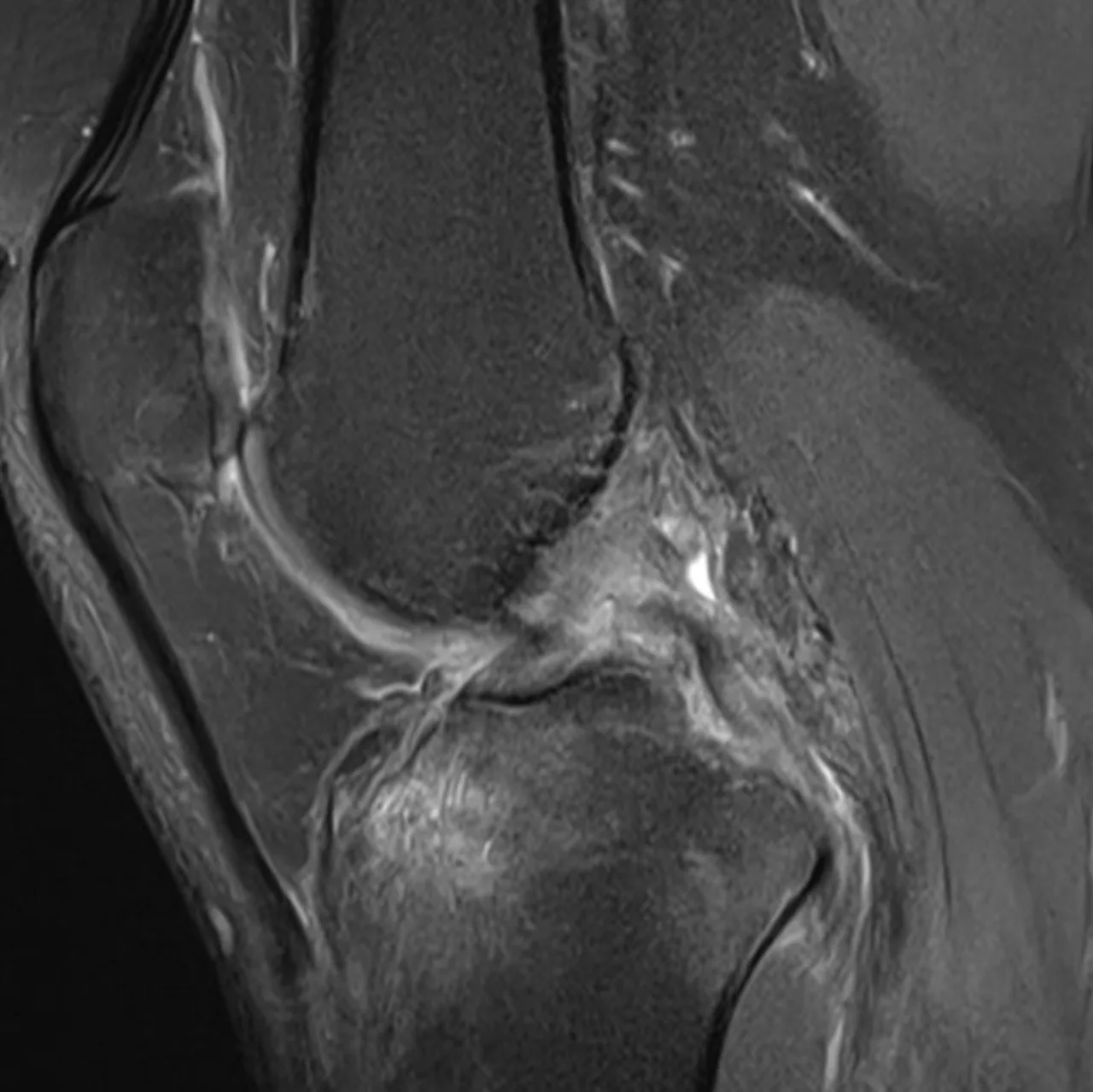
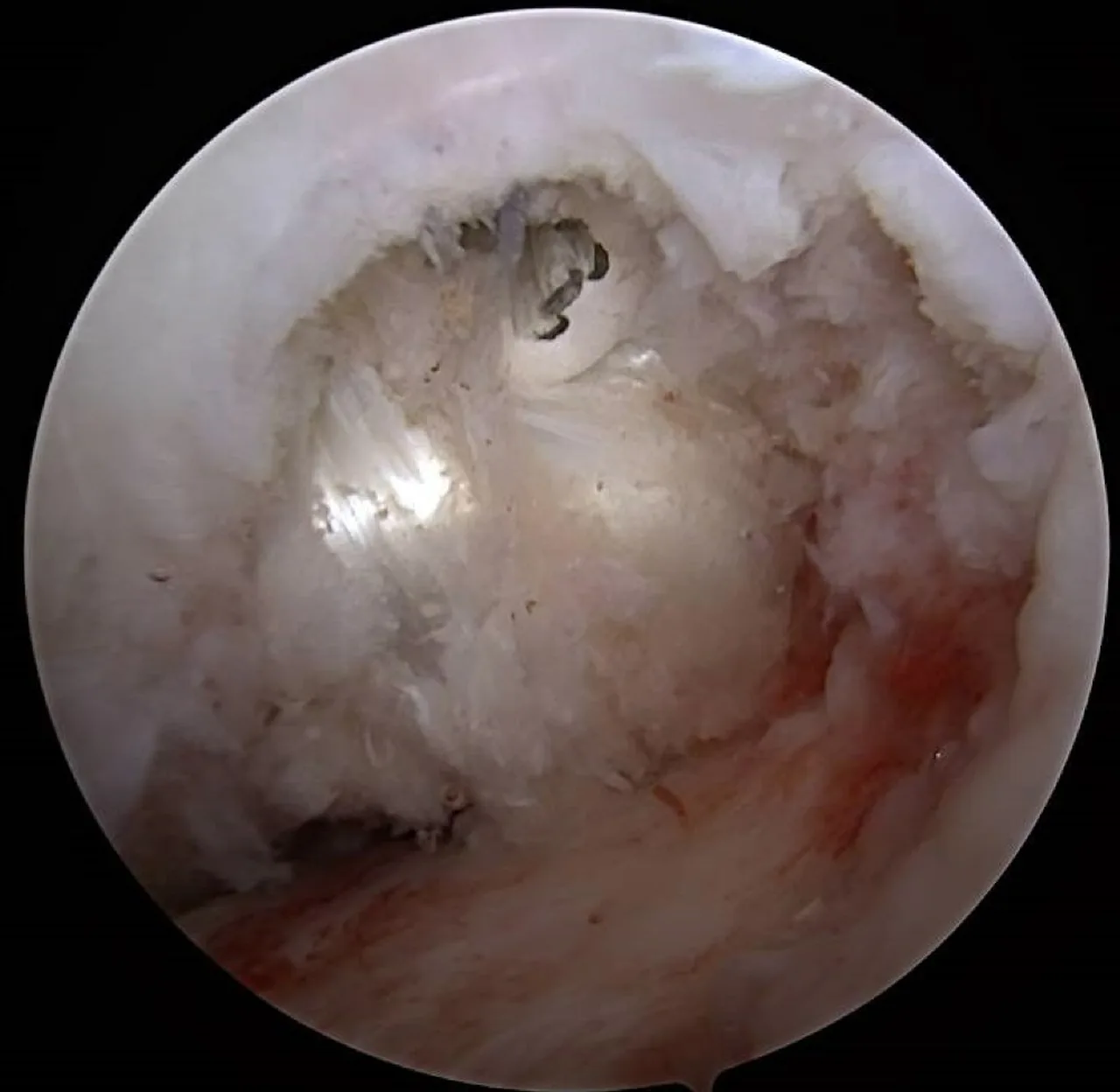
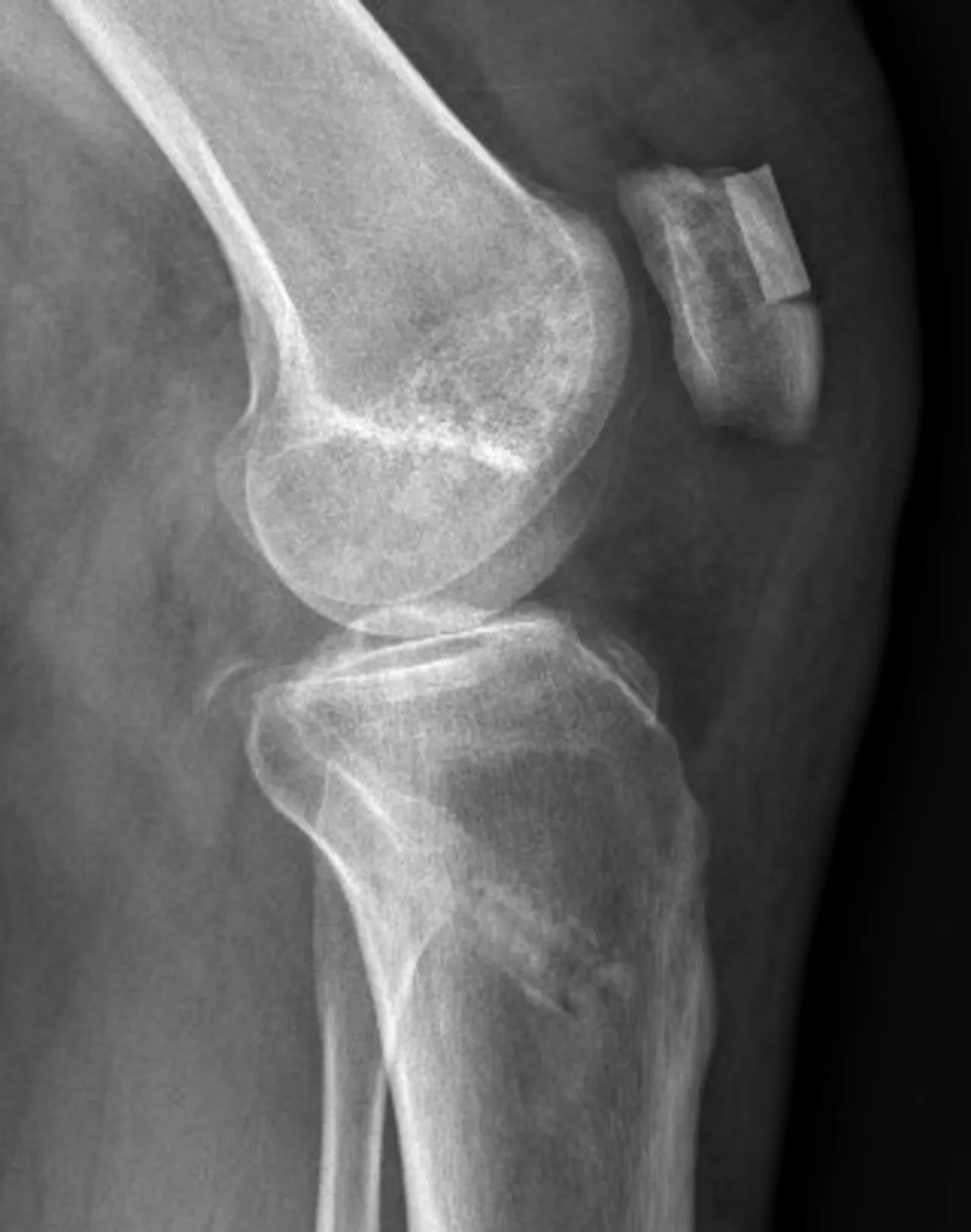
- Is my PCL tear partial or complete?
- Are any other ligaments injured?
- Can I treat this with a brace and therapy?
These pages describe how these injuries are generally evaluated and treated. They are not a diagnosis and not medical advice. Two people with the same MRI finding can need completely different plans — that is what the visit is for.