Understand your injury.
Choose a condition to read what is damaged, how it is diagnosed, what to try before surgery, and how long recovery takes. These are the conditions we see most often, not a complete list of everything we treat. If yours is not here, call the office.
Meniscus transplant
Pain on one side of the knee years after much of the meniscus was removed, in a knee that is otherwise well aligned and stable.
The meniscus is the knee's shock absorber. When a large part of it has been removed, usually after a tear that could not be repaired, the cartilage on that side of the knee takes much more load. Over time this can cause pain, swelling, and early arthritis, even in young, active people. A meniscus allograft transplant replaces the missing meniscus with a donor meniscus, sized to match your knee, to restore that cushioning.
The history usually includes a past meniscus removal, followed by pain and swelling on the same side of the knee with activity. Standing X-rays check the joint space and the alignment of the leg. MRI shows how much meniscus is left and the condition of the cartilage. The donor meniscus is matched to your knee size using X-ray or MRI measurements.
Activity changes, strengthening, an unloader brace, and injections can ease symptoms. These treatments help with pain but do not replace the missing meniscus.
The best candidates are younger, active patients with pain after a meniscus removal, whose cartilage is still in reasonable condition and whose knee is stable and well aligned. It is not a good choice for a knee with advanced arthritis.
Arthroscopic-assisted transplant: the donor meniscus is placed into the knee and secured to the bone with bone plugs or a bone bridge, then sewn to the joint capsule. Problems that would overload the new meniscus are corrected first or at the same time, such as a torn ACL, cartilage damage, or a knee that is bowlegged or knock-kneed, which may need an osteotomy.
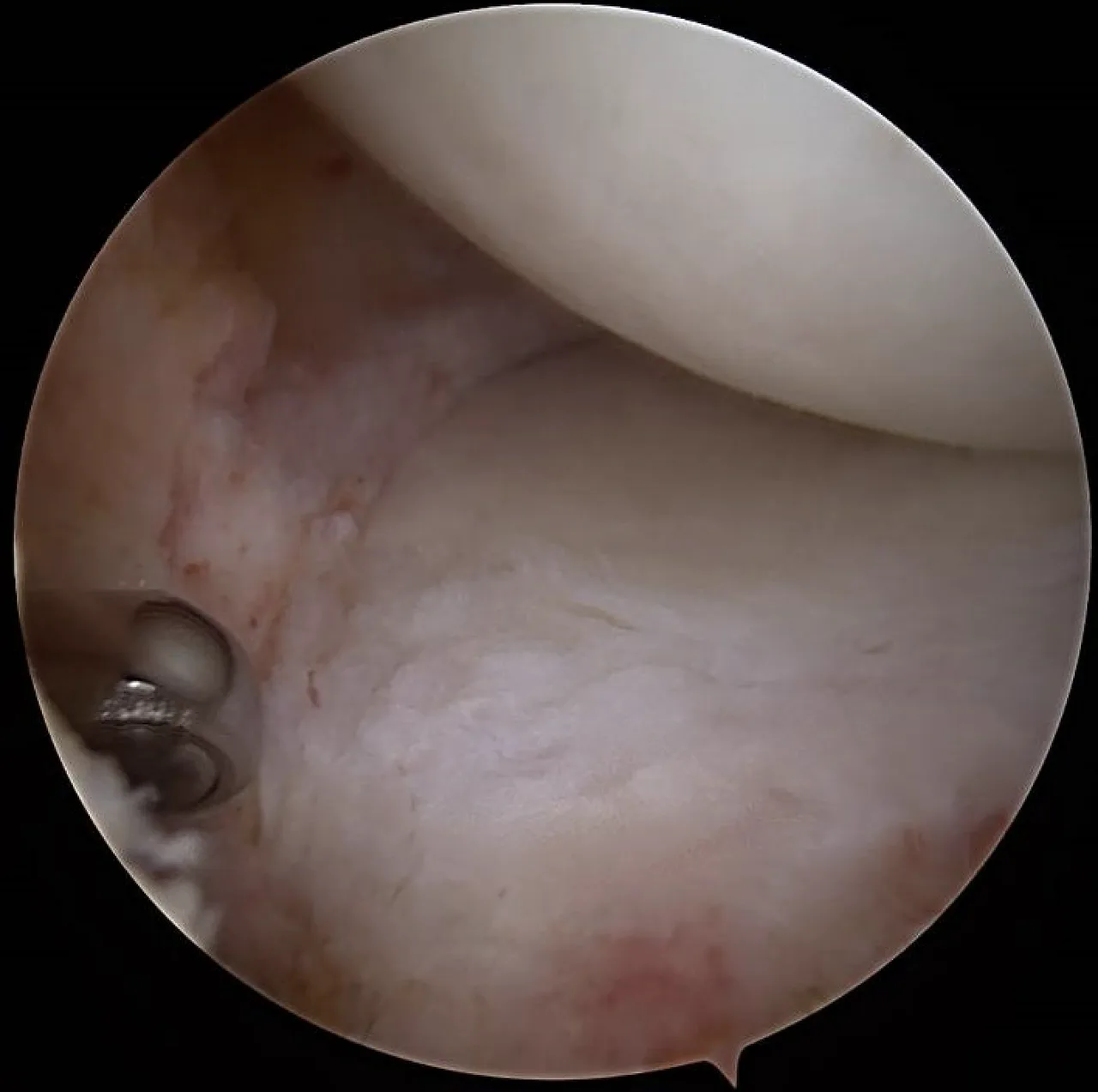
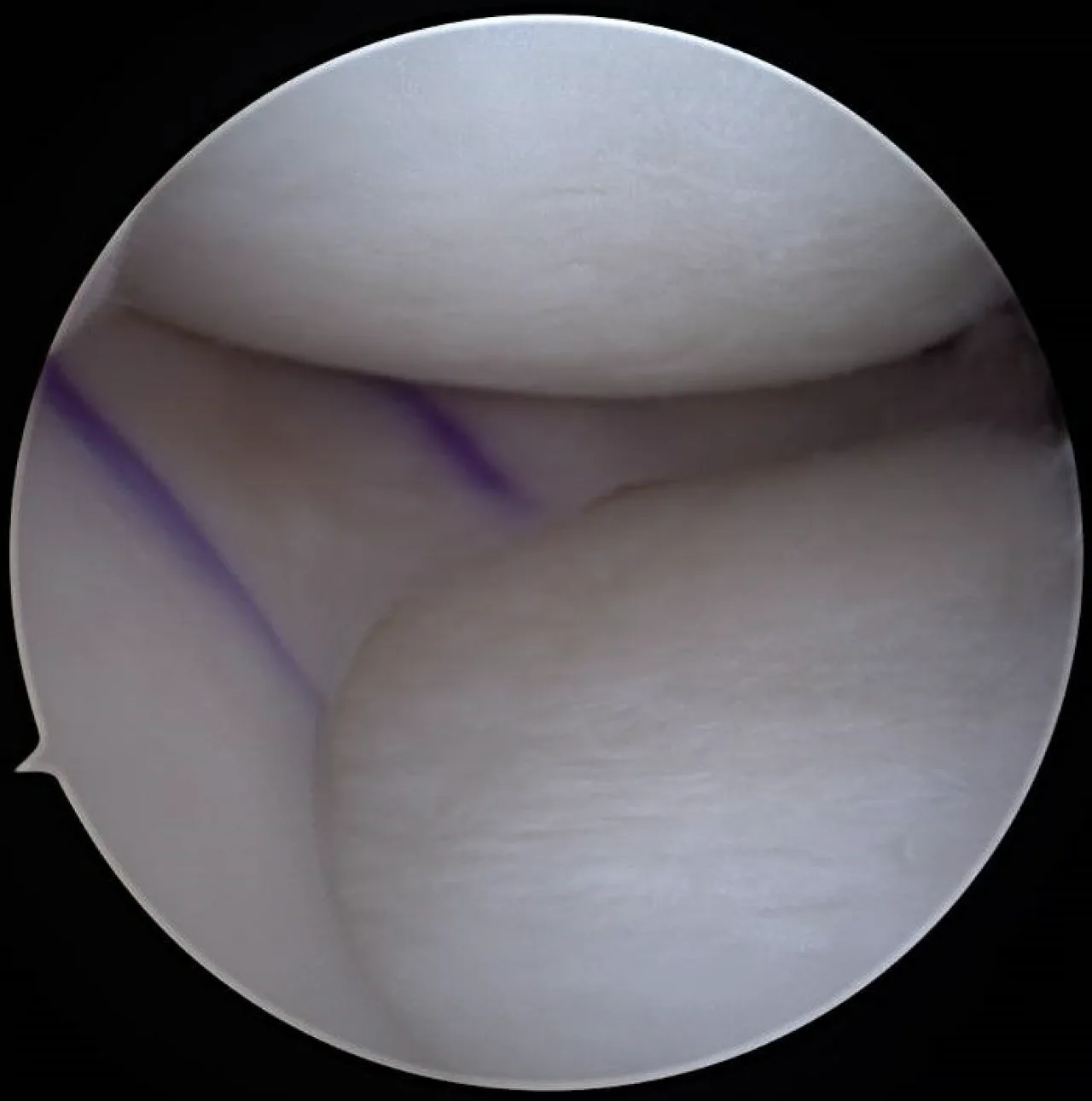
- How much of my meniscus is missing?
- Is my cartilage healthy enough for a transplant?
- Does my alignment or ACL need to be addressed as well?
These pages describe how these injuries are generally evaluated and treated. They are not a diagnosis and not medical advice. Two people with the same MRI finding can need completely different plans — that is what the visit is for.