Understand your injury.
Choose a condition to read what is damaged, how it is diagnosed, what to try before surgery, and how long recovery takes. These are the conditions we see most often, not a complete list of everything we treat. If yours is not here, call the office.
Cartilage injury & chondromalacia
Deep aching pain with load, stiffness after sitting, sometimes a catch.
Articular cartilage is the glassy surface that lets the joint glide. It can be damaged in a single impact — often alongside an ACL tear or patellar dislocation — or soften and fray over time, which is what chondromalacia describes. Unlike meniscus and bone, cartilage has no blood supply and does not repair itself.
The exam localizes the pain and checks alignment. MRI with cartilage-sensitive sequences shows the size, depth, and location of the defect. Standing X-rays assess whether the leg's alignment is overloading one compartment.
Load management, targeted strengthening, weight optimization, and injections — corticosteroid, hyaluronic acid, or orthobiologics such as PRP — can control symptoms for a long time, particularly for smaller lesions.
Considered for a discrete, symptomatic defect in a patient who has failed non-surgical care, especially a younger patient, when the goal is to preserve the joint rather than replace it.
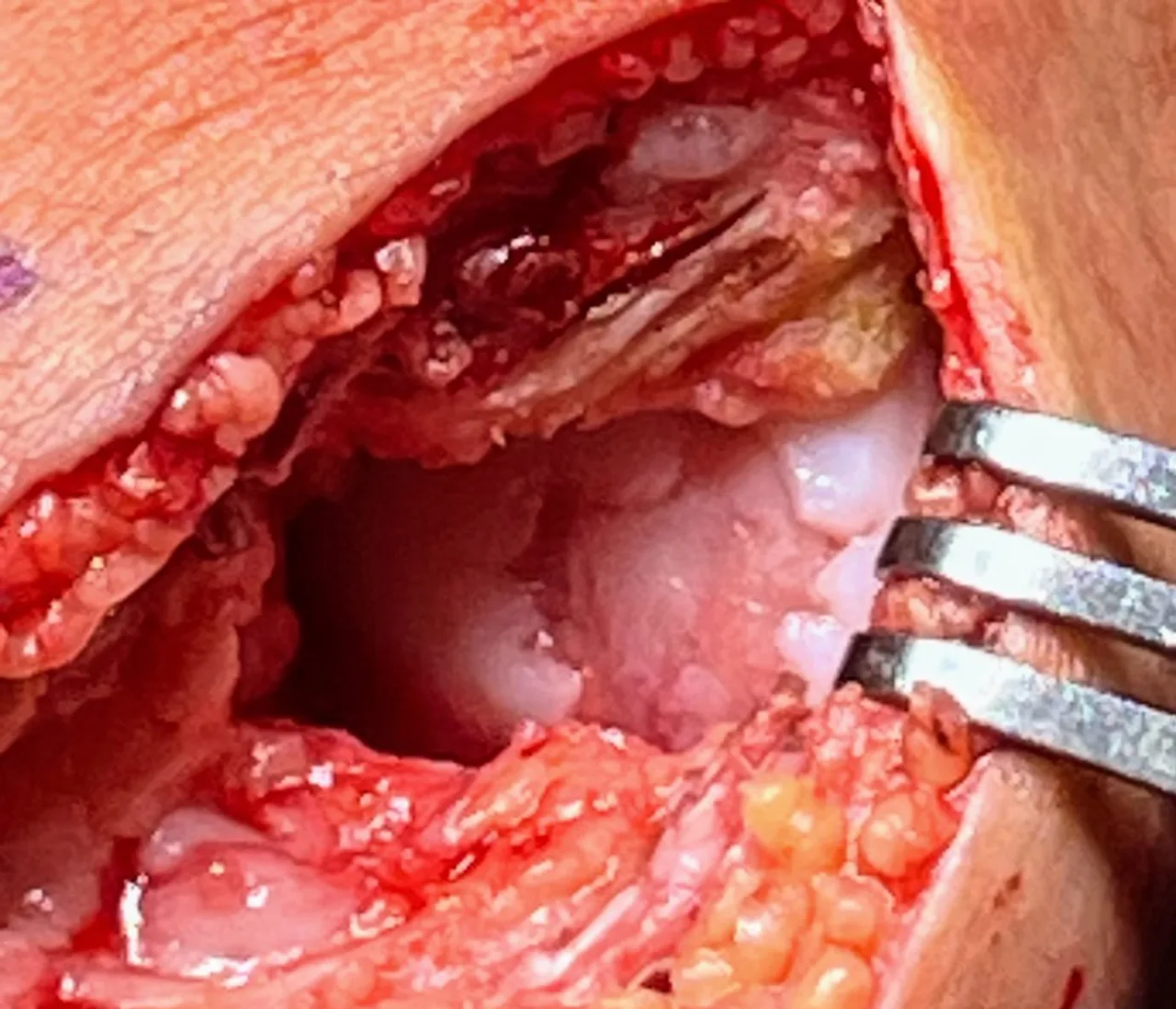
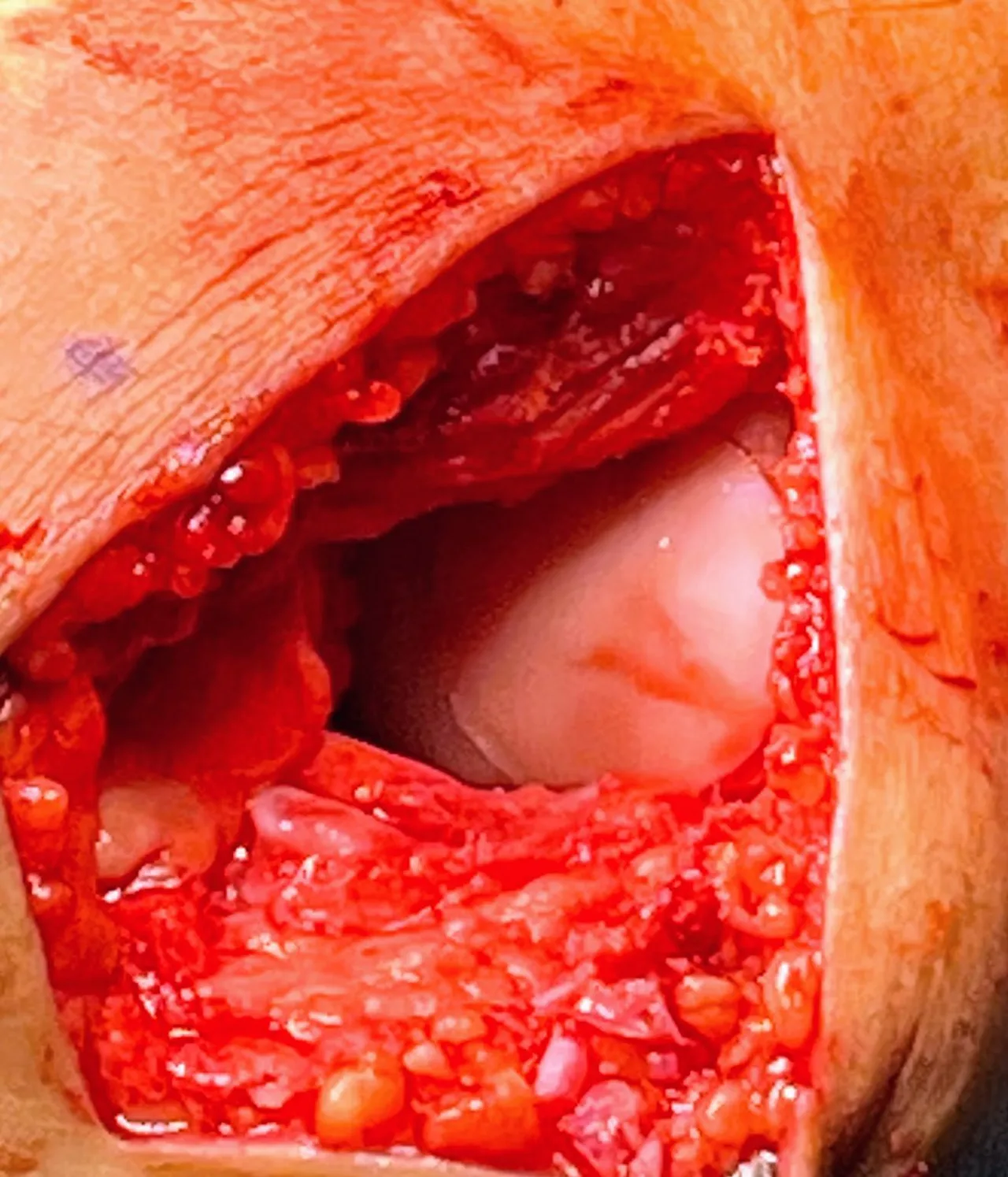
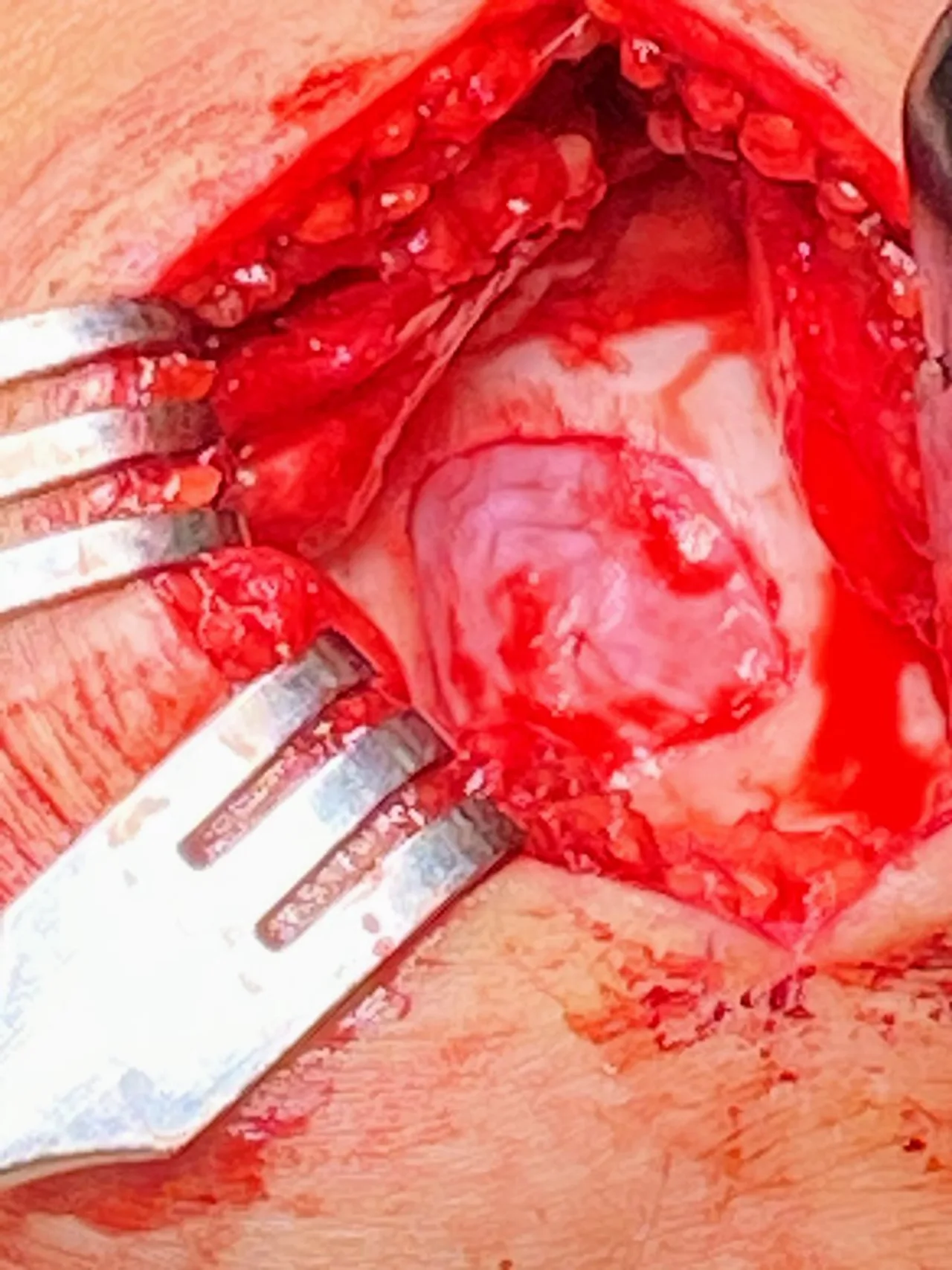
The technique is matched to the lesion: microfracture or osteochondral autograft transplantation (OATS) for small defects, and osteochondral allograft transplantation for larger ones or those with bone loss. A corrective osteotomy is added when malalignment is overloading the repair. For larger cartilage defects without much bone loss, MACI (matrix-induced autologous chondrocyte implantation) is another option. It takes two procedures: first, a small sample of your own cartilage is taken arthroscopically and sent to a lab, where the cells are grown over several weeks. Then the cells are placed on a thin membrane and implanted into the defect, where they grow into new cartilage. Dr. Jiang has published on orthobiologics and uses them as an adjunct, not a substitute.
- How large is my defect and where is it?
- Is my alignment part of the problem?
- What happens if I do nothing for a year?
These pages describe how these injuries are generally evaluated and treated. They are not a diagnosis and not medical advice. Two people with the same MRI finding can need completely different plans — that is what the visit is for.