Understand your injury.
Choose a condition to read what is damaged, how it is diagnosed, what to try before surgery, and how long recovery takes. These are the conditions we see most often, not a complete list of everything we treat. If yours is not here, call the office.
Discoid meniscus tear
A child or teen whose knee pops, clicks, catches, or won't fully straighten, often with no clear injury.
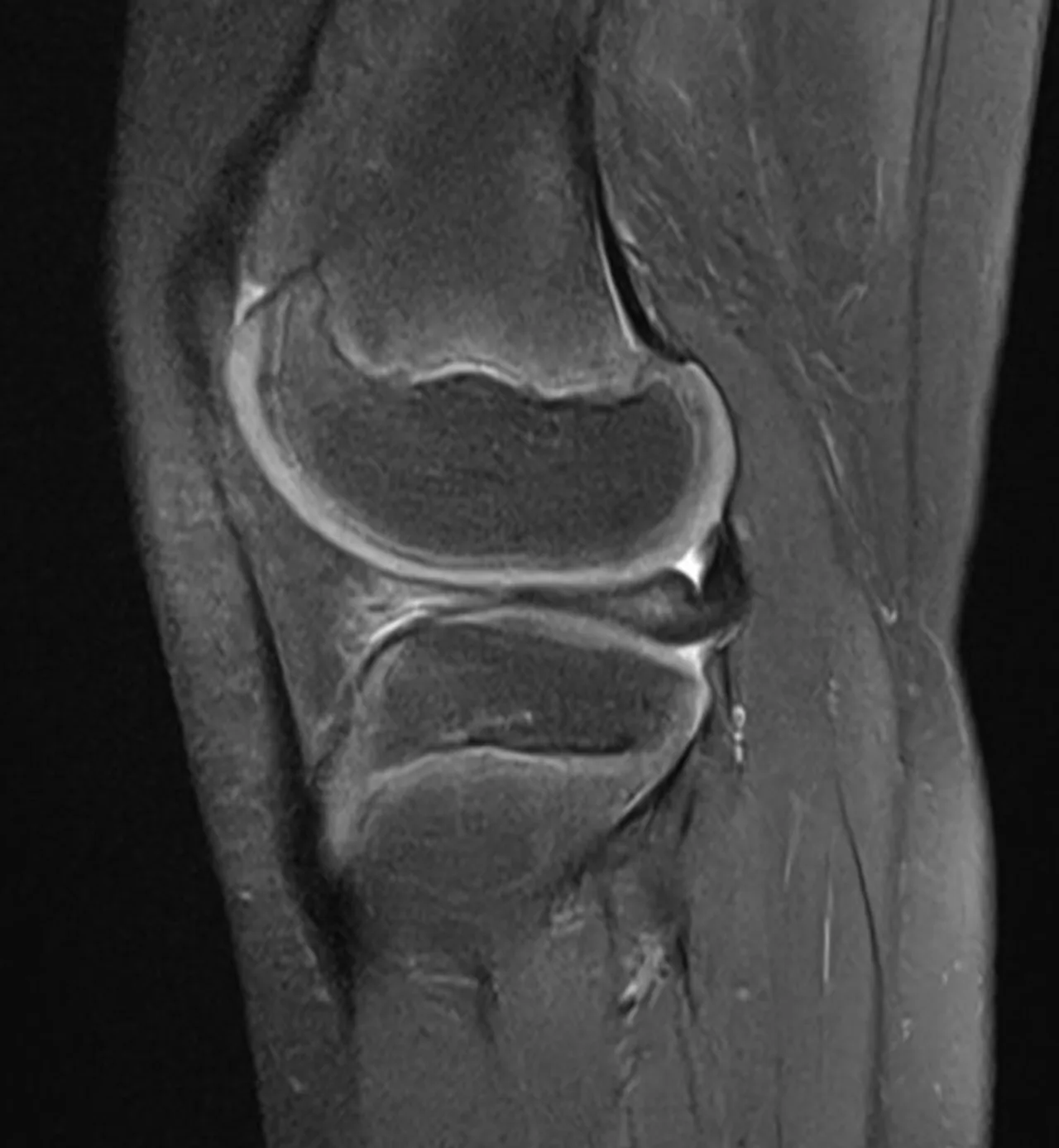
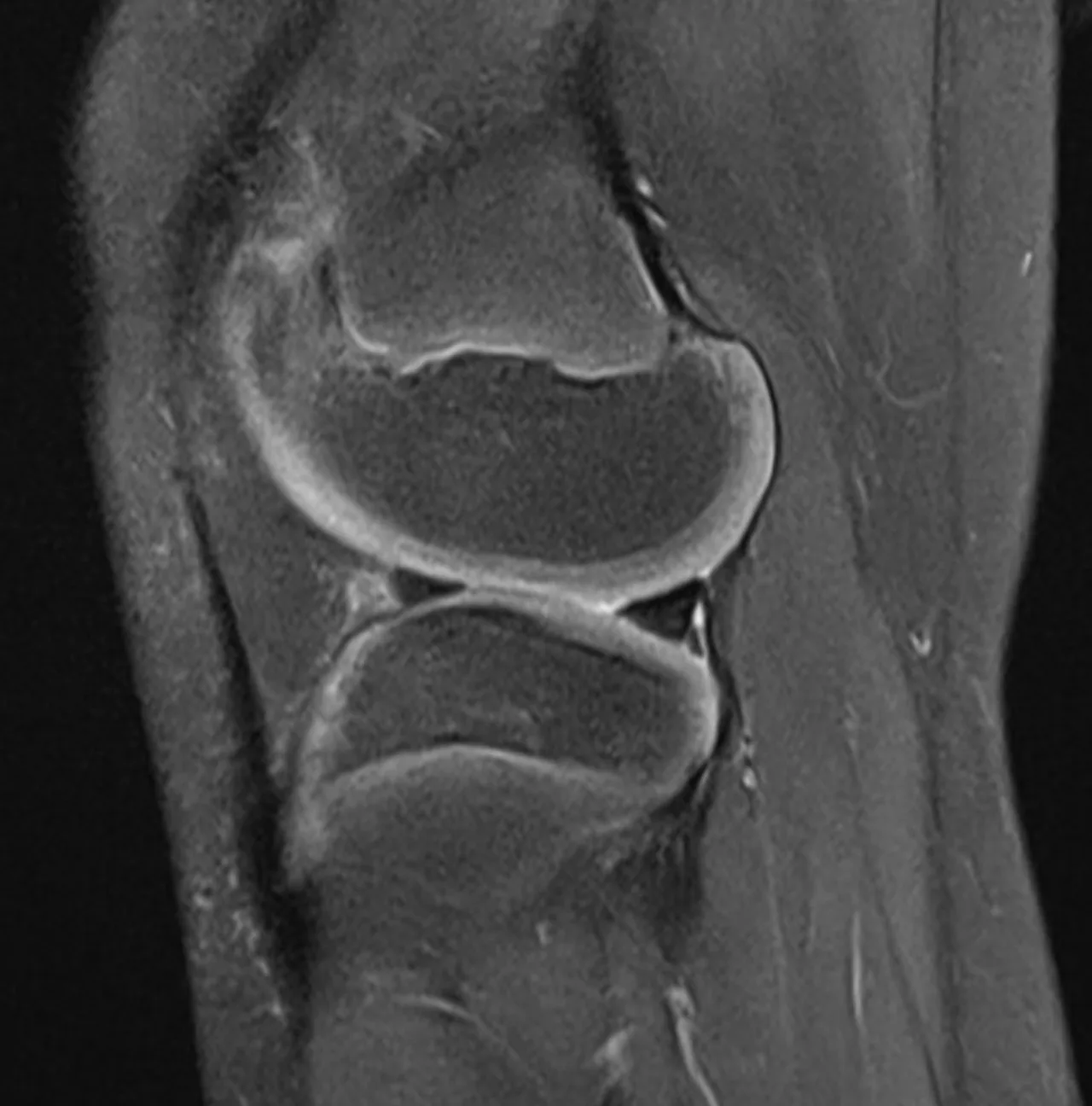
A normal meniscus is shaped like a C. A discoid meniscus is a thicker, disc-shaped meniscus that covers more of the joint surface. It is something a person is born with, and it almost always affects the lateral (outer) meniscus. Many people with a discoid meniscus never have symptoms. Because the tissue is thicker and less organized than a normal meniscus, it tears more easily, sometimes from everyday activity. Some discoid menisci are also loosely attached and can shift in the joint. It most often causes symptoms in children and teenagers, and both knees can be affected.
A clunk or pop on the outer side of the knee when it bends and straightens is a classic sign, along with pain, swelling, locking, or not being able to fully straighten the knee. X-rays are usually normal but sometimes show a wider joint space on the outer side. MRI confirms the disc shape, shows any tear, and shows whether the meniscus is stable.
A discoid meniscus found by chance with no symptoms is simply watched and does not need treatment. Mild symptoms without a tear or locking may settle with activity changes and physical therapy.
Surgery is recommended when a discoid meniscus is torn, locks or catches, keeps the knee from straightening, or causes ongoing pain and swelling.
Arthroscopic saucerization: the thick center of the disc is trimmed away to leave a normal-shaped C, keeping as much healthy meniscus as possible. Any tear is repaired, and an unstable rim is sewn back to the capsule. Preserving the meniscus matters, because removing too much raises the risk of arthritis later on.
- Is the meniscus torn or unstable?
- Will it be trimmed, repaired, or both?
- Should the other knee be checked?
These pages describe how these injuries are generally evaluated and treated. They are not a diagnosis and not medical advice. Two people with the same MRI finding can need completely different plans — that is what the visit is for.