After shoulder surgery
These instructions will help you recover as quickly as possible after your shoulder surgery. Always follow any specific instructions Dr. Jiang gives you for your procedure. Questions? Call (866) 670-6824.
The first days at home
Ice
Ice reduces pain and swelling. Place crushed ice in a plastic bag over your shoulder for no more than 20 minutes at a time, 3 to 4 times a day. Put a thin towel between your skin and the ice to prevent ice burns.
Sling
Your sling keeps your shoulder comfortable and stable while it heals. Wear it for about 6 weeks after surgery, especially when you are out in public.
Sleep in a recliner or easy chair with the sling on.
Clothing
Button-down or zip-up shirts are easier to put on and take off. Avoid wearing jewelry on the hand or wrist of your surgical arm.
Pain medication and eating
Pain medication
Pain medication is prescribed for surgical patients only. Your prescriptions will be sent to the hospital pharmacy, so you can pick them up right after surgery.
Take the prescribed ibuprofen every 8 hours for the first 5 days after surgery consistently. Only if necessary, take oxycodone/acetaminophen every 4 to 6 hours for breakthrough pain.
Do not drink alcohol or drive while taking narcotic pain medication.
Constipation
Narcotic pain medication often causes constipation. You may take Colace (docusate) as directed on the bottle. It is a stool softener, not a laxative.
If constipation lasts 3 days, take an over-the-counter laxative such as Milk of Magnesia, Dulcolax (bisacodyl), or Miralax. If it continues, contact your primary care physician.
Eating
For your first few meals, eat light, easily digestible foods and drink plenty of fluids. Some people have temporary nausea after anesthesia.
Exercises after shoulder surgery
Start the day after surgery. Do each exercise 15 times, 3 to 4 times a day. Depending on the type of sling, you may or may not need to take it off to do them.
Wrist
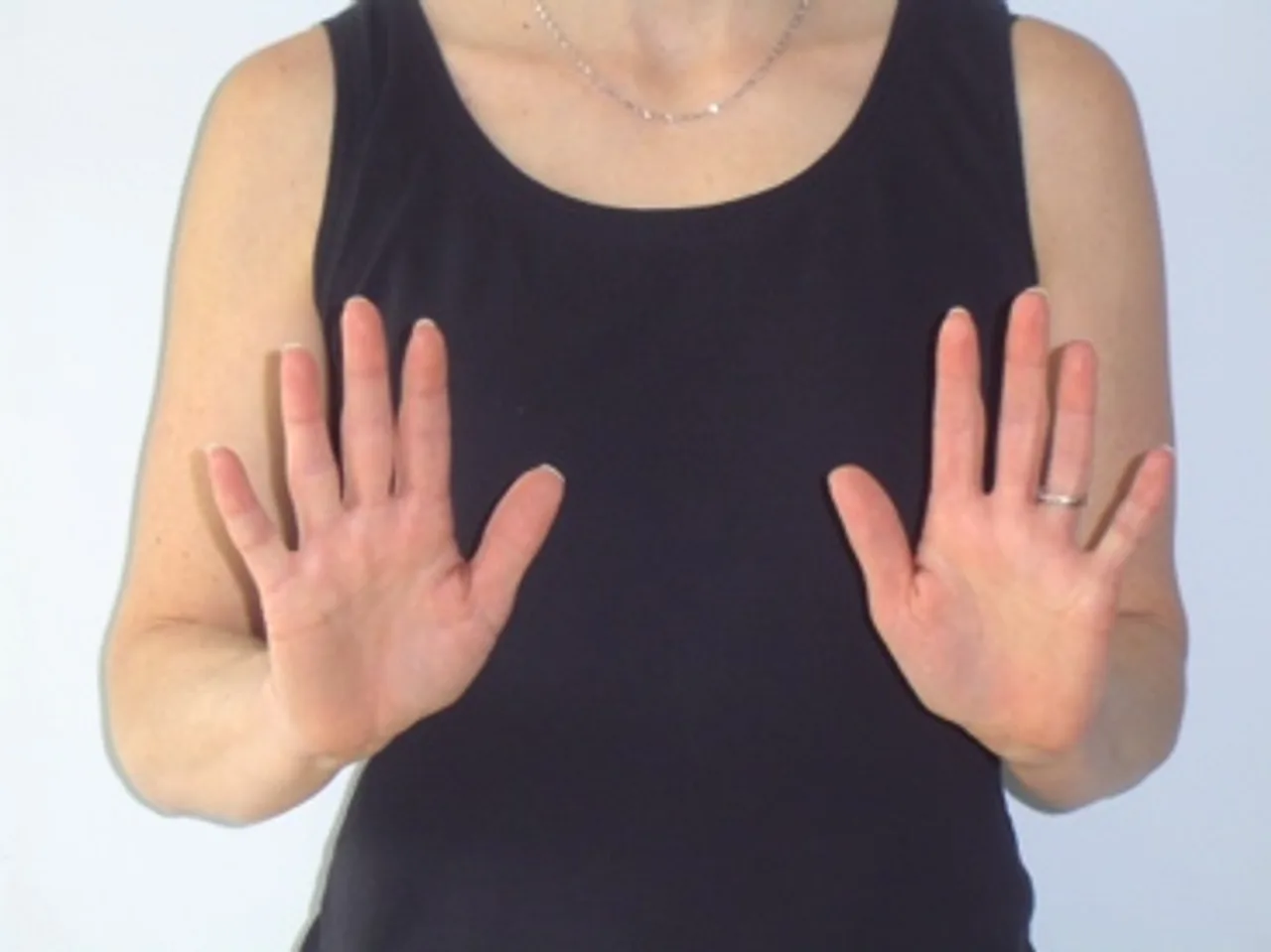
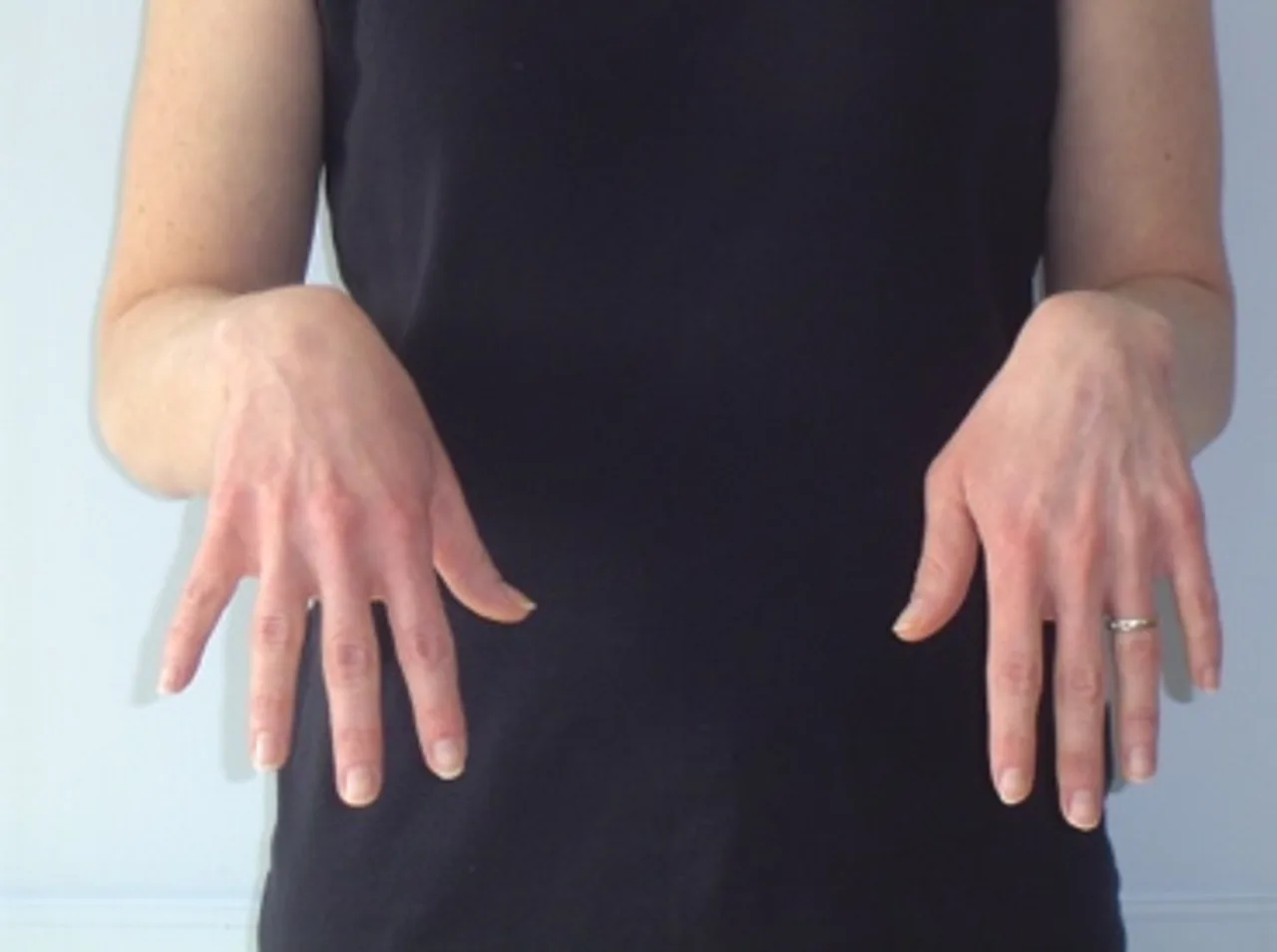
With your elbow bent at 90°, move your wrist up and down, like waving goodbye.
Elbow
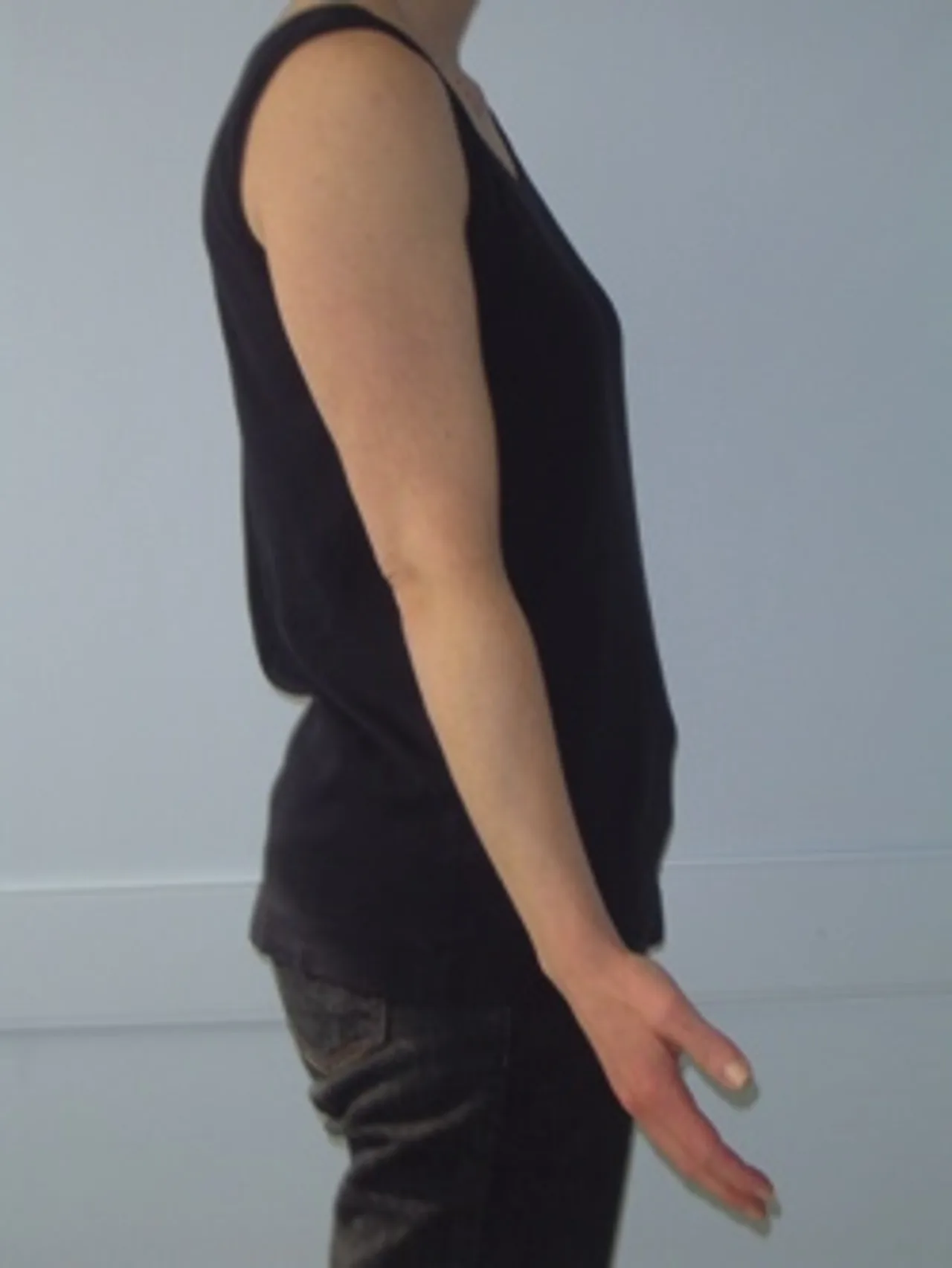
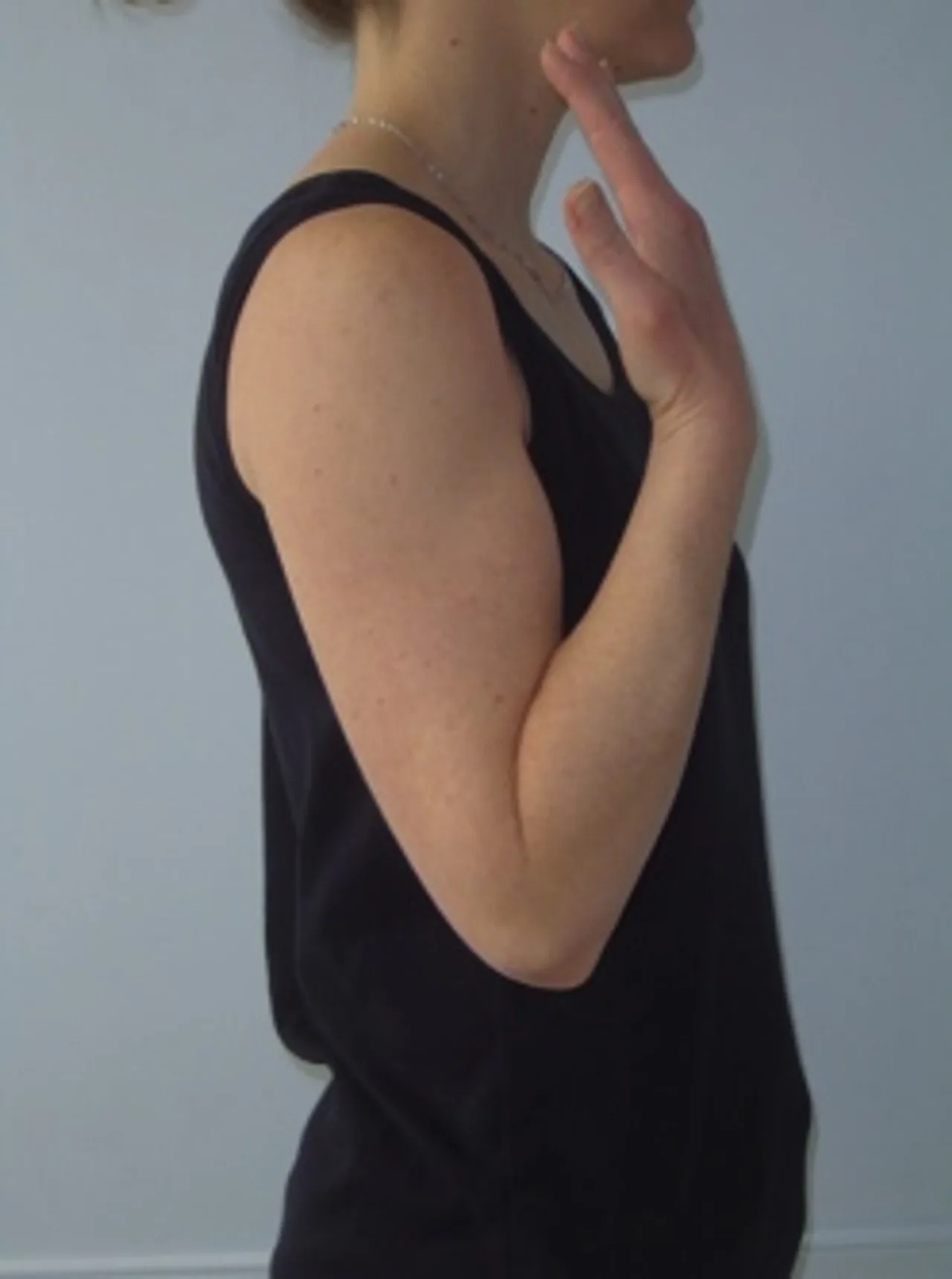
Standing, hold your surgical arm at your side with your palm facing forward. Bend your elbow and touch your hand to your shoulder, then straighten it again.
Shoulder rotation
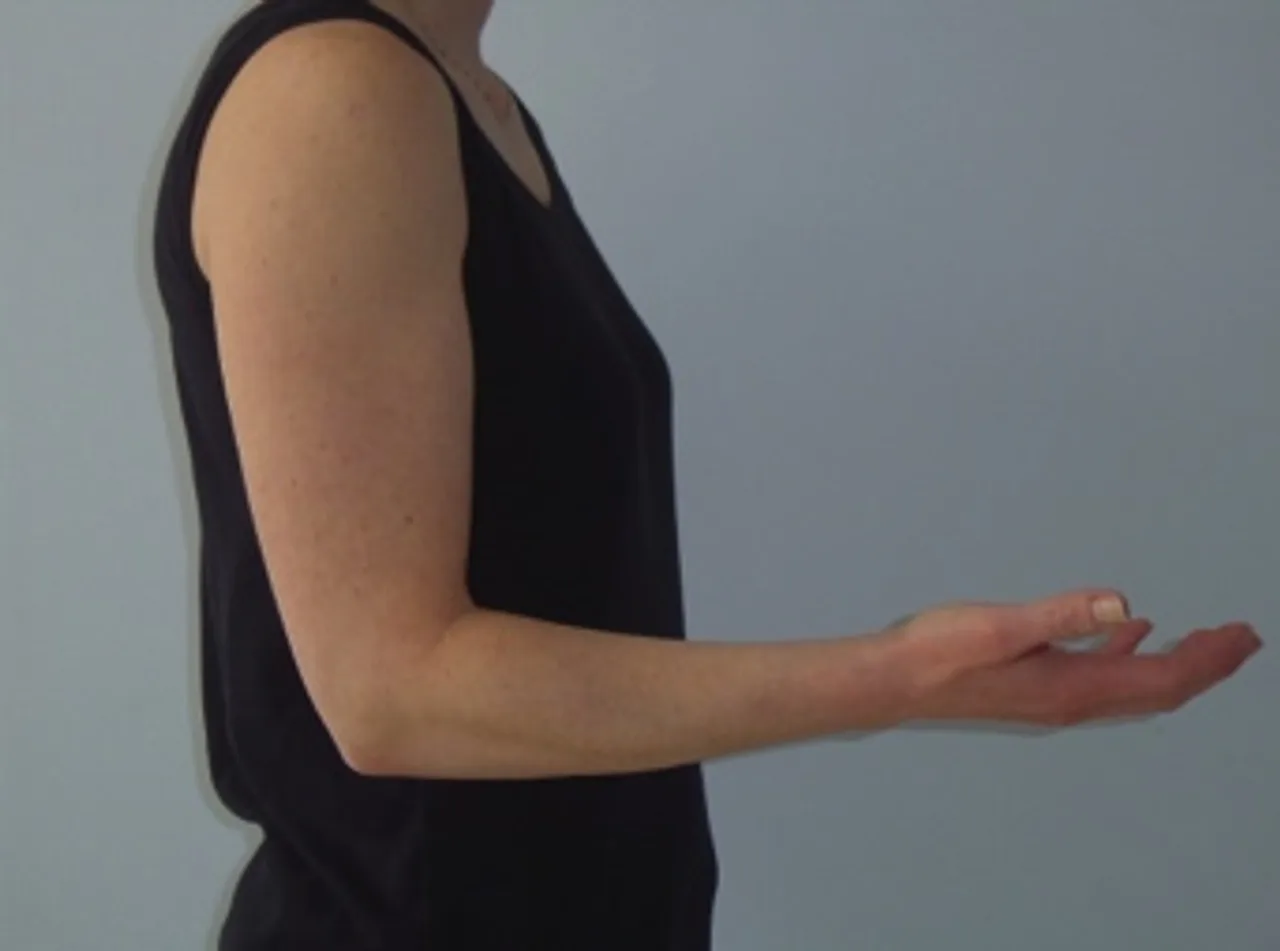
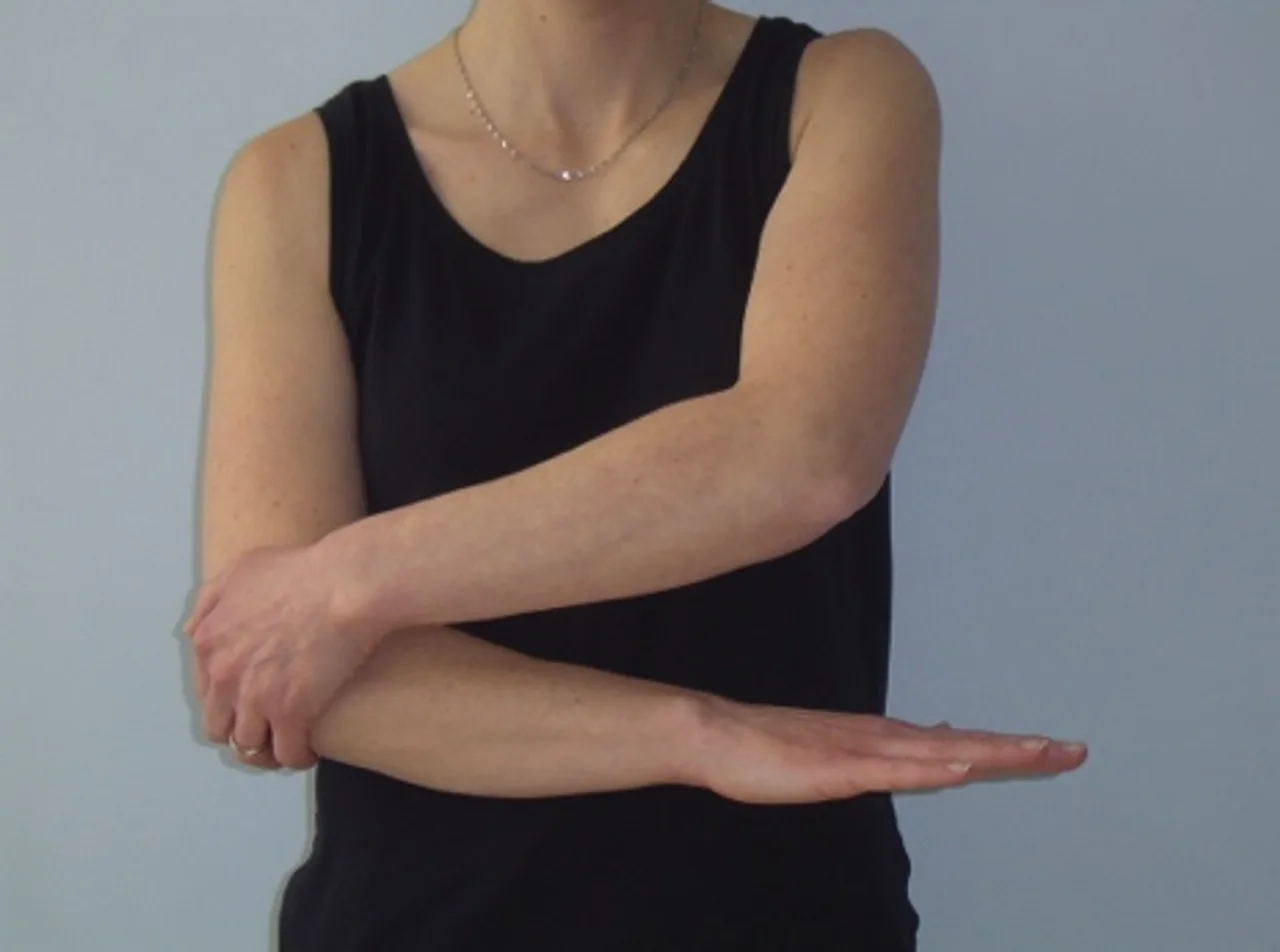
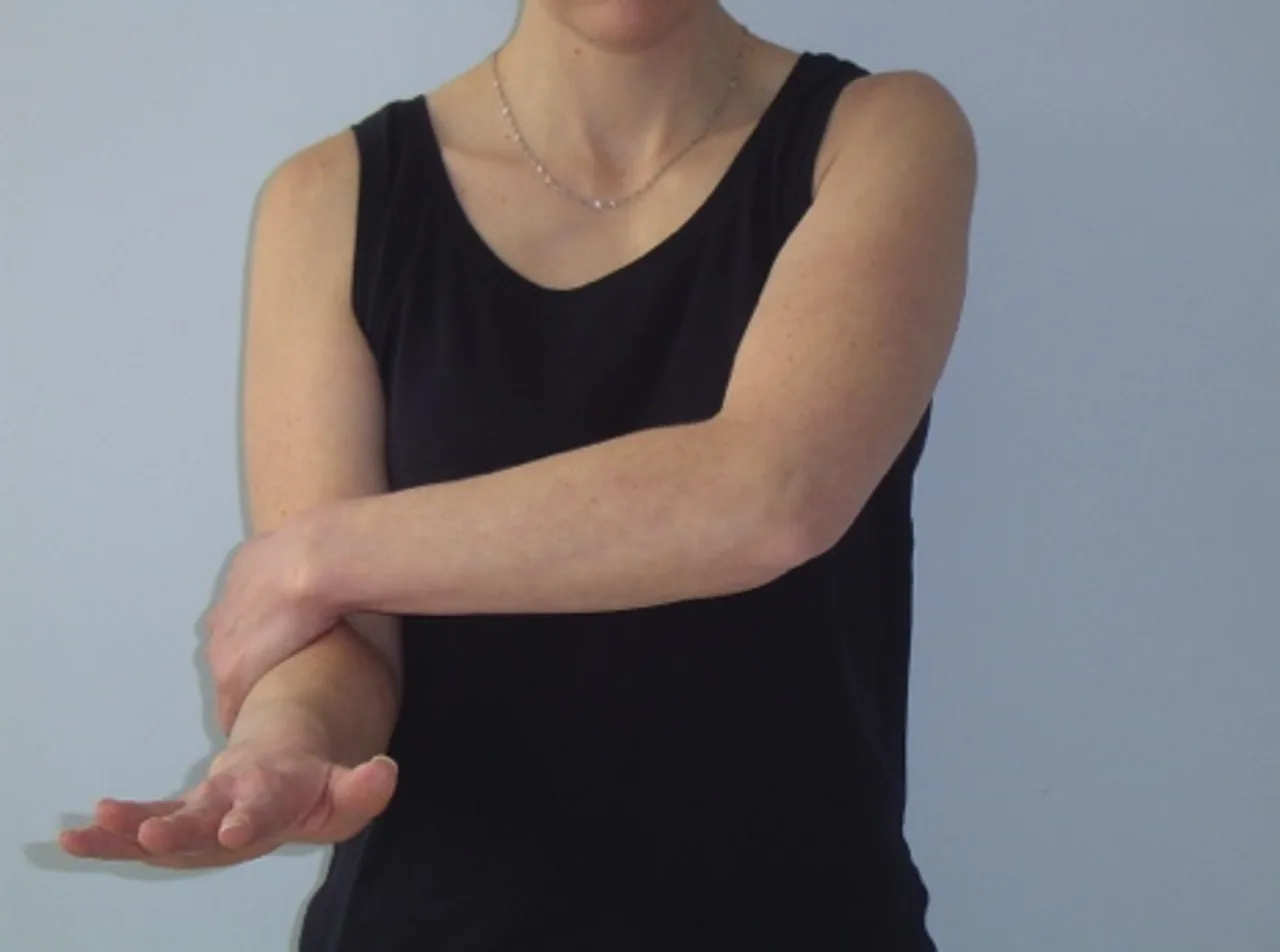
Place the hand of your other arm on your surgical elbow to keep it at your side. Bend your surgical elbow to 90°, then move your hand left and right in front of you, parallel to the floor, like a windshield wiper.
Hand
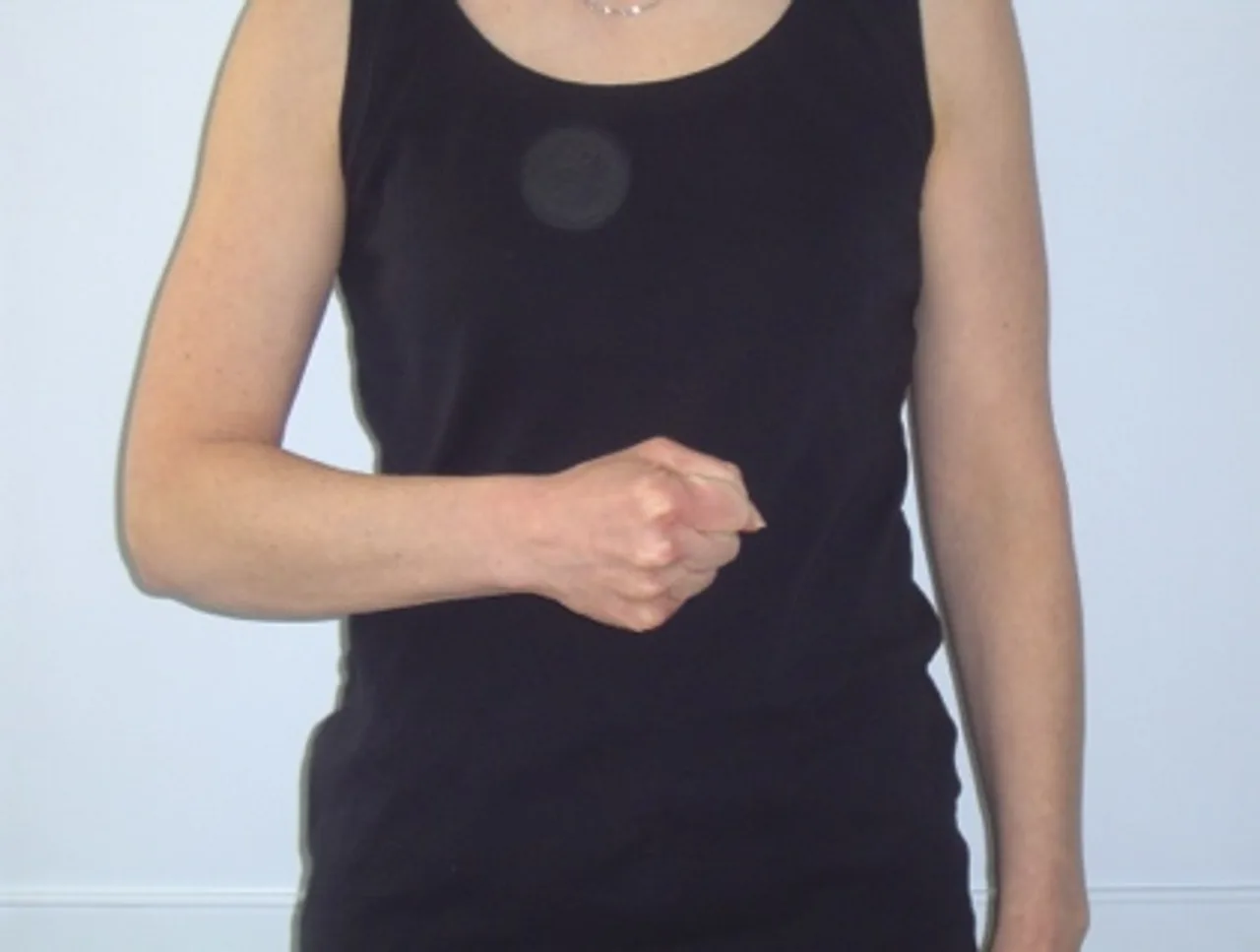
Make a fist, then stretch your fingers all the way out.
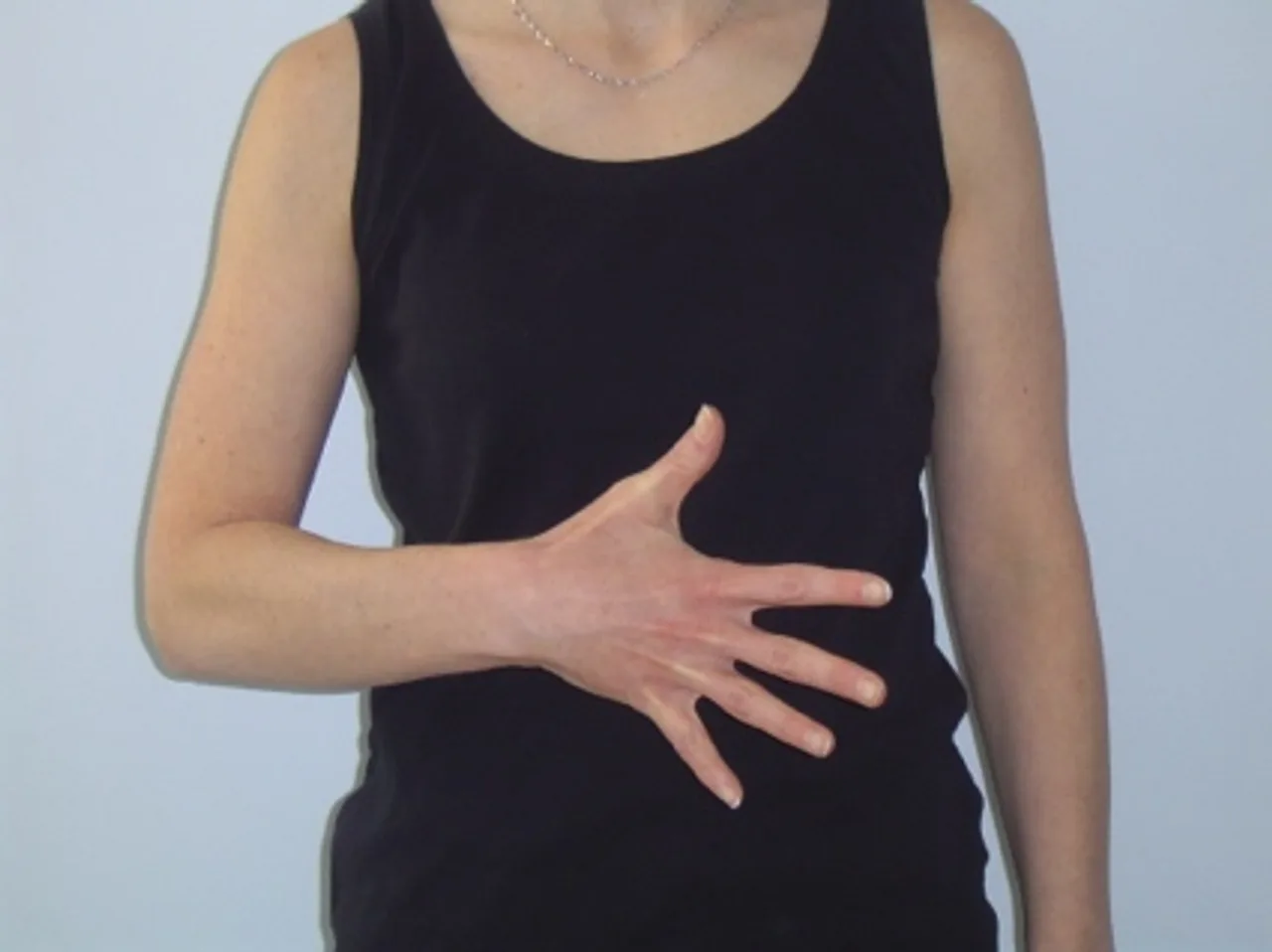
Assisted shoulder lift
With your surgical arm at your side and your elbow bent to 90°, have someone support your elbow and wrist. They slowly move your arm up and away from your body, no higher than your shoulder, then slowly return it to your side.
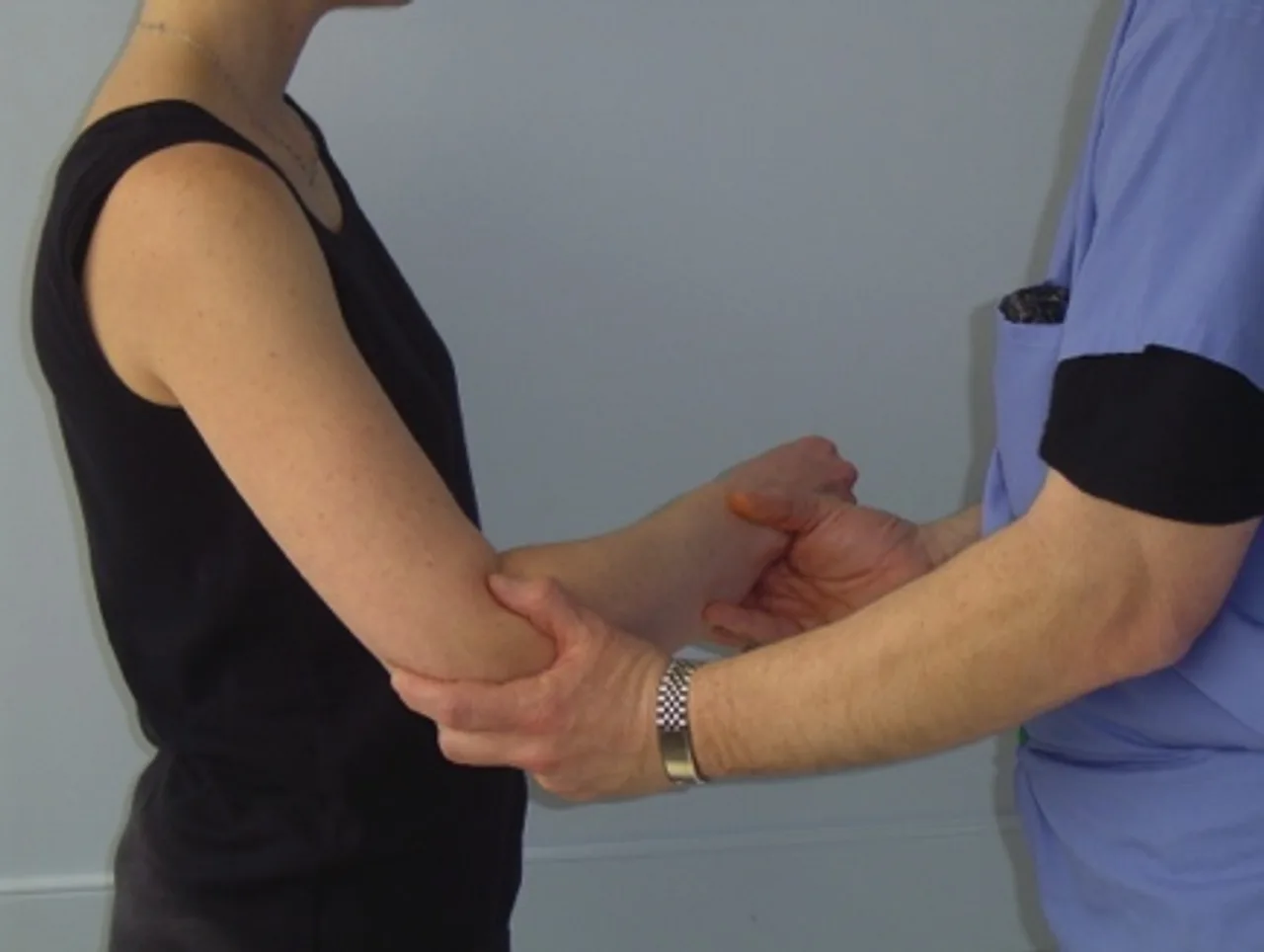
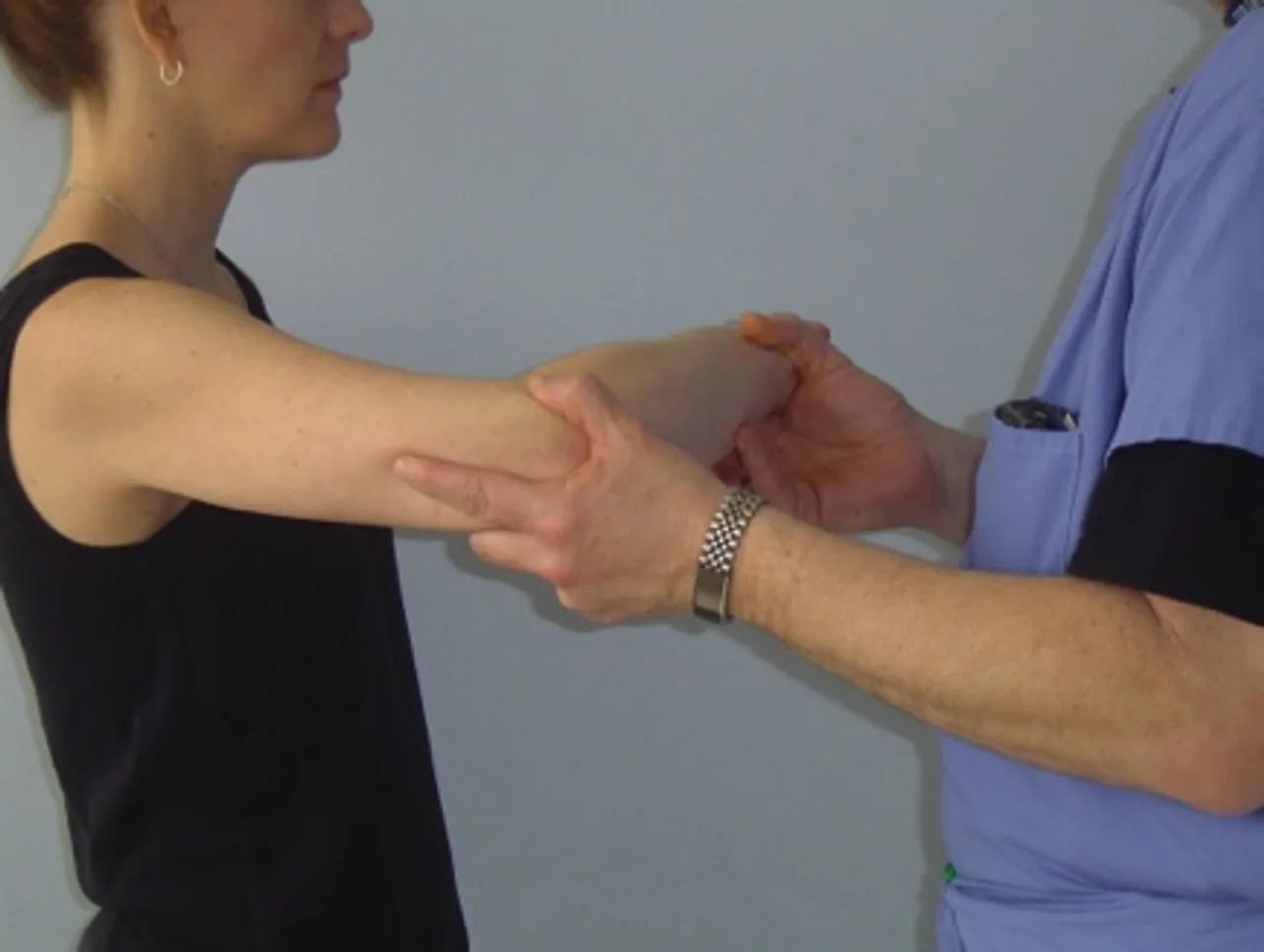
Therapy, driving, sports, and work
Physical therapy
In most cases, physical therapy starts right after your first post-op visit. Before surgery, schedule your first therapy appointment with the physical therapist of your choice for the days just after that visit.
You will receive a prescription and specific instructions for your therapist at your first post-op visit. Bring them to your first therapy session. They give your therapist Dr. Jiang’s guidelines for your rehabilitation.
Driving
Do not drive for 6 weeks after surgery, or until Dr. Jiang clears you. Your sling must be removed to drive, and you must be off narcotic pain medication to drive safely.
Sports
Athletic activities such as swimming, cycling, jogging, running, and stop-and-go sports cannot be resumed until Dr. Jiang clears you.
Returning to work
When you can return to work depends on your comfort and how much demand your job puts on your shoulder. Talk with Dr. Jiang about it at your first post-op visit. Every effort will be made to clear you to return as soon as possible.
Caring for your incisions
- Keep the original dressing clean and dry after surgery.
- Remove the dressing 3 days after surgery. Leave the steri-strips (small white tapes over the incision) in place, and carefully remove the waterproof dressing that covers the incisions.
- Cover the incisions with a similar dressing, a large bandage, or sterile 4×4 gauze, available at most drugstores. Small bandages can be used on the smaller incisions around your shoulder if they are not covered by the larger dressing.
- Change all dressings daily.
- You may shower 3 days after surgery, once the dressings have been removed. Soap and water can go directly onto the incisions and steri-strips. Afterward, gently pat the area dry and put on a fresh bandage.
- Do not take baths or soak your shoulder until all the incisions have completely healed, usually at least 4 weeks after surgery.
Call the office if you have
- Pain that continues or gets worse in the first few days after surgery.
- A lot of redness, or cloudy or bloody drainage from the incisions. Some clear, red-tinged drainage is normal early on, but report any drainage after 5 days.
- A temperature higher than 101°F.
- Pain, swelling, or redness in your arm or hand.
- Numbness or weakness in your arm or hand.
Call (866) 670-6824. Outside business hours, your call goes to the answering service, and problems that need immediate attention are forwarded to the medical staff. For an emergency, call 911.
Your first post-op visit
Your first post-op visit with Dr. Jiang is scheduled at the same time as your surgery. It is usually 3 to 4 days after surgery, or 10 to 14 days after some procedures.
If you are unsure of the date or need to change it, call (866) 670-6824.